Category: Events

  • EVENT: Help Capture Memories of St Mary’s Whitekirk!

    EVENT: Help Capture Memories of St Mary’s Whitekirk!

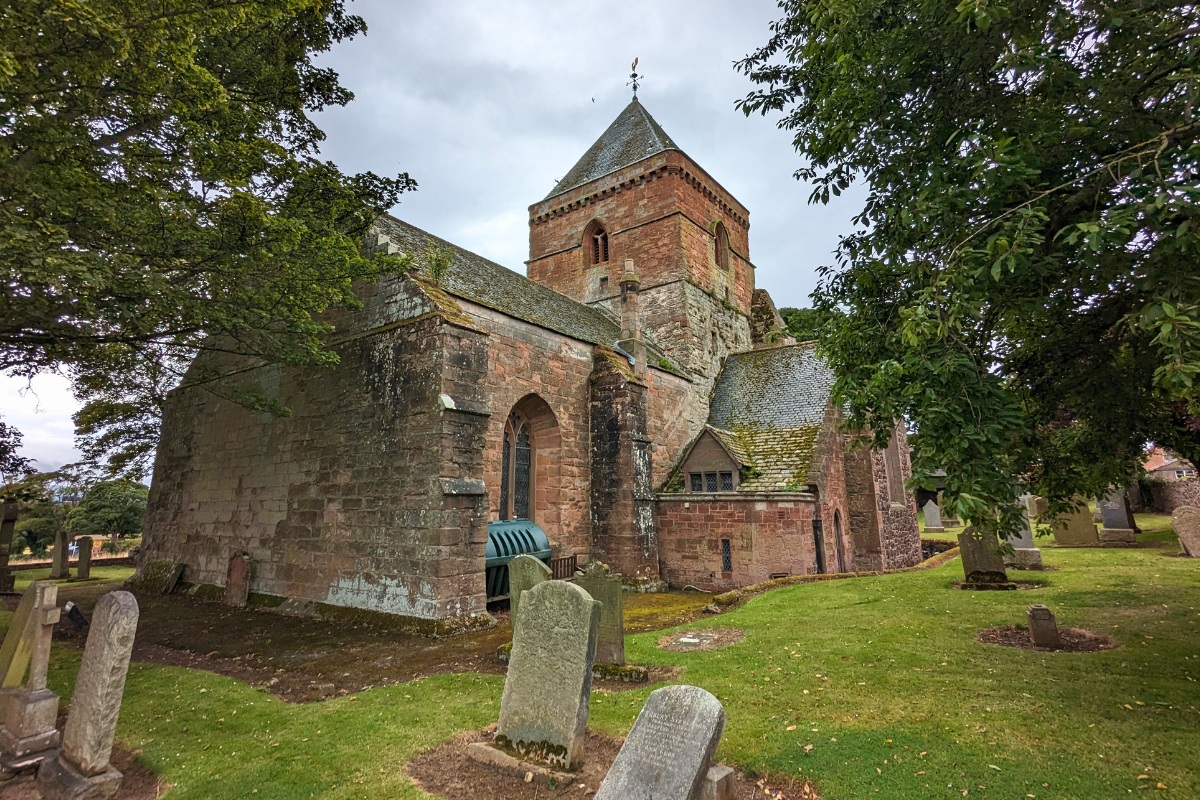
    For centuries, St Mary’s Church has been at the heart of Whitekirk’s life as a place of worship, gathering and memory. Now, as part of the Research in Action on Church Heritage (ReACH) project, we’re inviting you to share your stories and reflections to help document its cultural and community significance.

    Whether your memories come from worship, local events or everyday encounters, we’d love to hear from you!
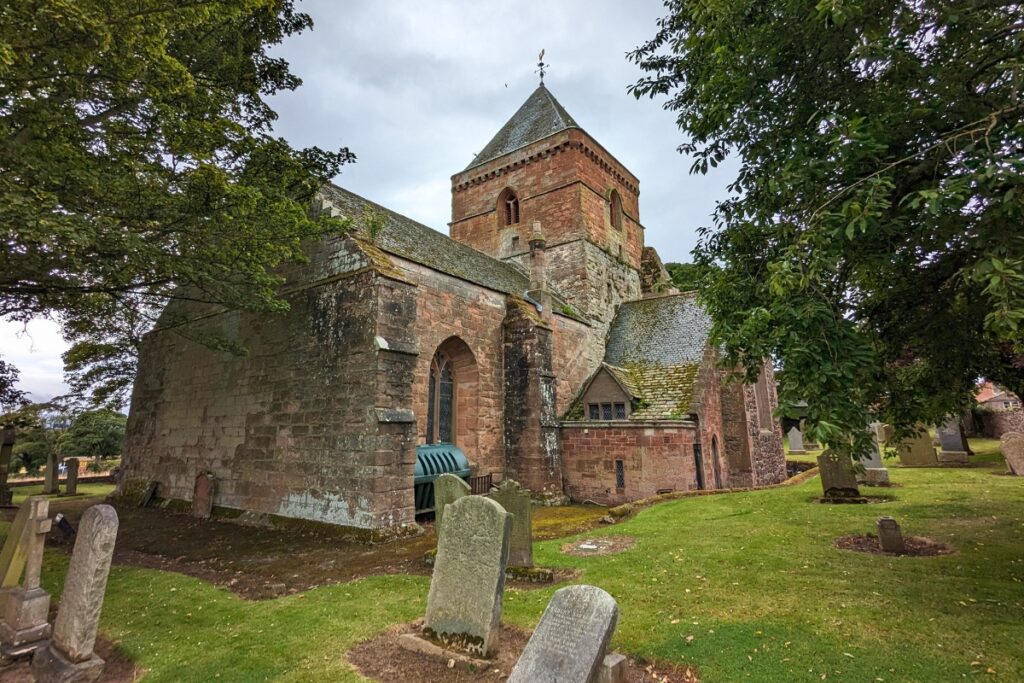
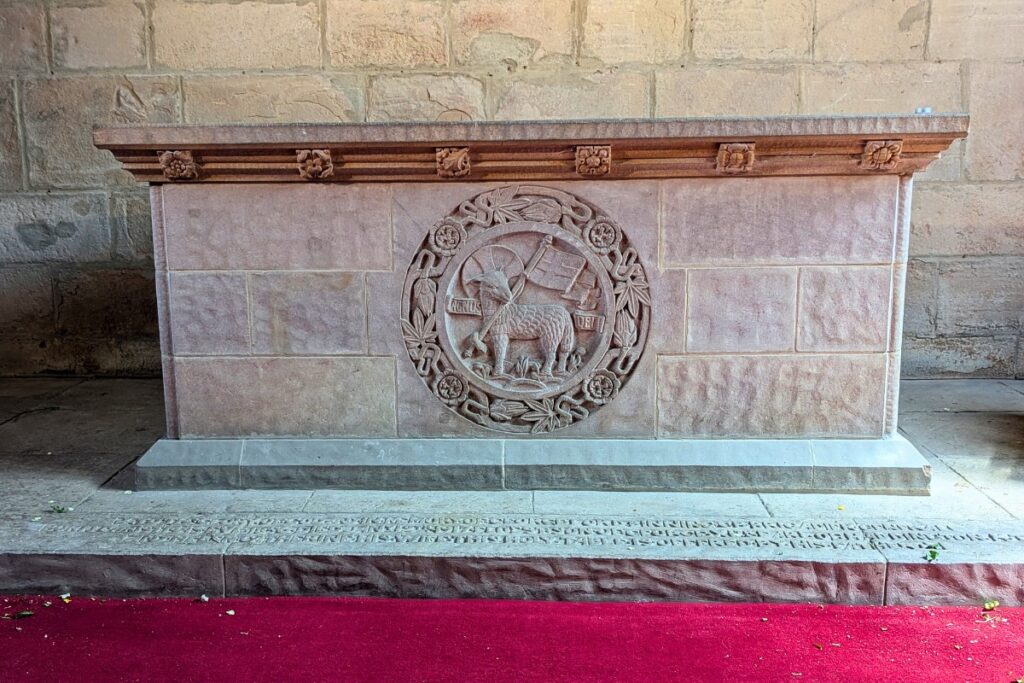
    Join our open day

    When: 7 February 2026

    Time: 11am – 3pm (Drop in)

    Where: St Mary’s Church, Whitekirk

    What’s Happening?

    Short expert-led tours on Whitekirk’s fascinating history will be held at 12.00, 13.00 and 14.00.  

    Throughout the day visitors can explore the church at their own pace and enjoy organ music.  

    Share your memories and experiences of Whitekirk

    Why Take Part?

    Your contributions will help shape a new, publicly accessible database on Scotland’s church heritage. Together, we’ll capture the social and cultural value of St Mary’s for future generations.


    For those who can’t make it along on the day, please share your reflections, photos etc, in our digital memory box – Share Your Memories of Whitekirk! – Fill in form


    Please note: The church is currently unheated. As it is Winter, it will be chilly inside – please dress warmly!

    Refreshments are provided.

    Accessibility

    Please note, access to the church is via steps


    How to find St Mary’s Whitekirk

    Address: Binning Wood Rd, Whitekirk, Dunbar EH42 1XS

    The nearest bus stop is Ladysfield which services the 120 Dunbar – North Berwick 


    ReACH is a two-year project led by the Society of Antiquaries of Scotland and Scotland’s Churches Trust, funded by the National Lottery Heritage Fund and The Pilgrim Trust.
  • ReACH Autumn Update

    ReACH Autumn Update

    As we move further into the autumn months, the ReACH team has been continuing to build momentum across our research strands. As well as making progress on our data collection, the past few weeks have also offered valuable opportunities to connect with others working in church heritage across the UK.  

    Reflections from the V&A’s Great Expectations Conference 

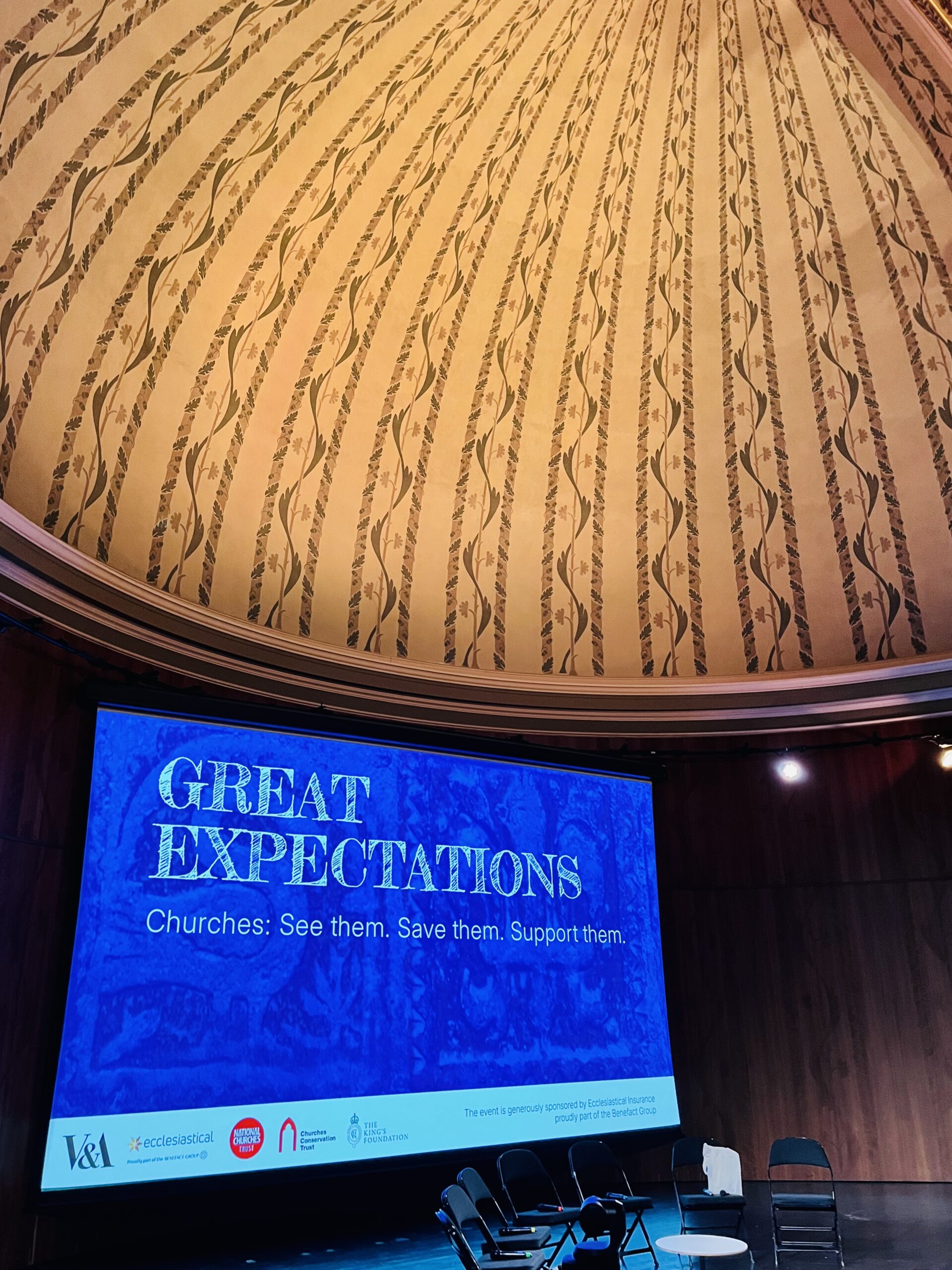
    Earlier this month, Lizzie attended the V&A’s Great Expectations: Working with Historic Places of Worship conference in London, with Emily and Helen joining the event online. The day brought together a broad range of voices, from heritage professionals, people working within faith communities, and even some familiar public figures like Hugh Dennis and Rob Rinder, who all reflected on the challenges and opportunities facing historic churches today.  

    Much of the discussion echoed themes at the heart of ReACH, including the necessity to understand churches as not only architectural landmarks, but also as places which are layered with memory, meaning and community identity. Many of the speakers shared personal stories and lived experiences which have shaped their connections to these buildings, emphasising that communities lie central to conversations about their future.  

    It was encouraging to see an alignment with our project aims, and to situate Scotland’s challenges within this wider UK context.  

    Sharing ReACH at the Historic Religious Buildings Alliance 

    Following on from her attendance at the V&A event, Lizzie also recently spoke at the Historic Religious Buildings Alliance (HRBA), which introduced the project to a new audience of practitioners, researchers and heritage professionals. The session also generated valuable contacts and potential collaborators, which we look forward to developing as the project progresses.  

    Progress on Data Collection  

    Our data collection work continues steadily, and we are currently gathering and consolidating information from national heritage records, archival surveys and church inventories, specialist databases and existing reports (such as those generated by Scotland’s Churches Trust Church Recording Project) and academic research.  

    This process is helping us to map both the existing knowledge base, as well as the gaps that still need to be explored. This is a critical stage as we begin to shape the structure of our database, which will be publicly accessible and will bring together tangible and intangible heritage information in a single, open resource.  

    We have also begun engaging with organisations and individuals across the sector to explore data-sharing collaborations. Many people have undertaken excellent recording work in specific areas of church heritage and we aim to bring these efforts together, in order to strengthen the overall picture.  

    Preparing Our Next Pilot Study 

    Alongside this work, we are now organising our next pilot study, which will help us to refine our fieldwork approach and test elements of both the heritage recording methodology and our social value surveys. These pilot stages are an important part of ensuring our processes are robust, scalable and useful for the range of communities and buildings that we will be working with across Scotland.  

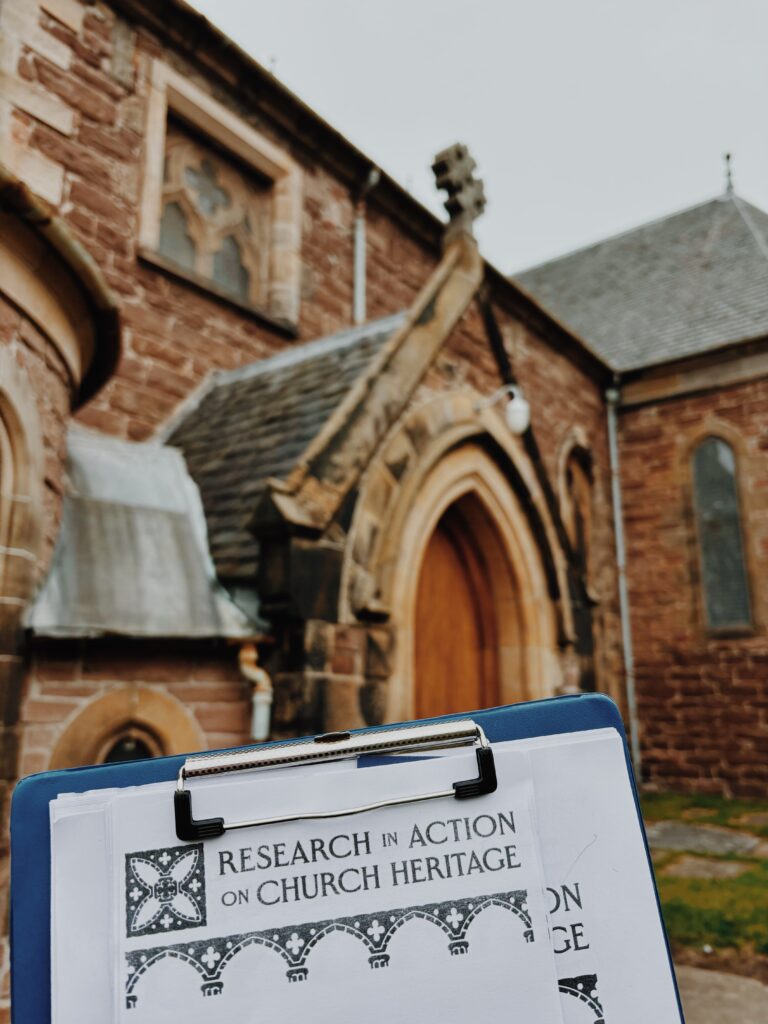
    photograph of clipboard with project logo in front of Old High Kirk

    Looking Ahead 

    In the months ahead, we will be continuing our fieldwork, expanding our data collection and developing the structure of the database. Updates will continue to be shared here on our website, as well as across our social media channels.  

    We’re also pleased to share that our first Heritage Action Group meeting will take place in January – date to be confirmed. This session will focus on early findings, opportunities for collaboration and ways that the group can help shape the development of the ReACH database and fieldwork priorities.  

    Full details and registration will be circulated shortly. 

    If you are working on Scotland’s church heritage and would like to connect with us – or if you have existing data that you’d be able to share – we would be delighted to hear from you! 

    Be sure to sign up to our Heritage Action Group Mailing List if your work touches upon church buildings, their contents, or their social and cultural value, and you’d like to be a part of our growing network.

  • Launch Symposium: Research in Action on Church Heritage 

    Launch Symposium: Research in Action on Church Heritage 

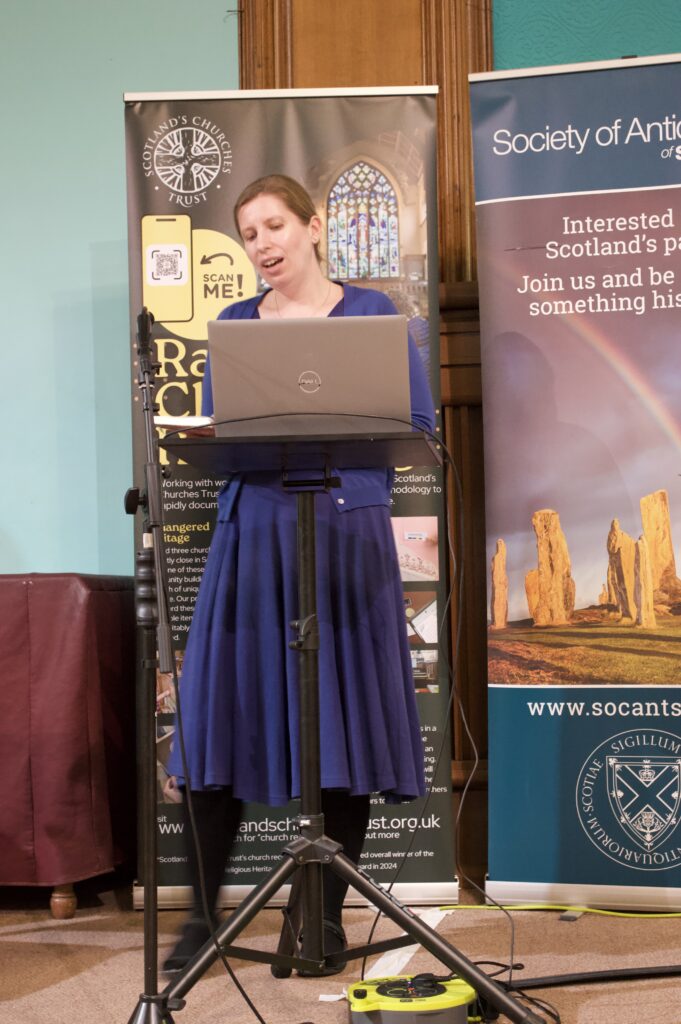
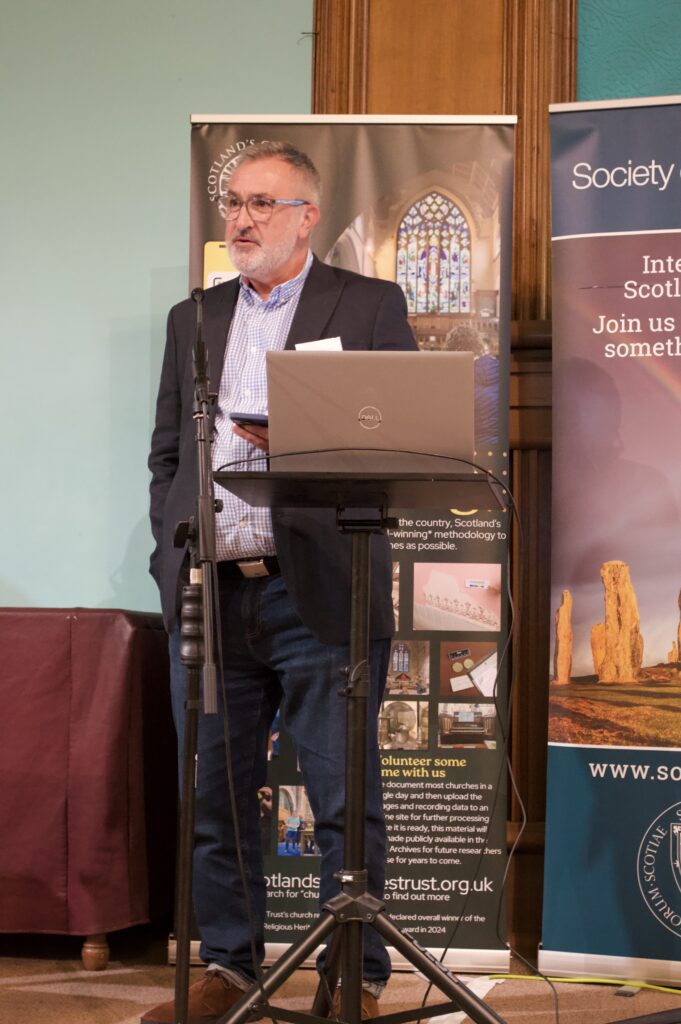
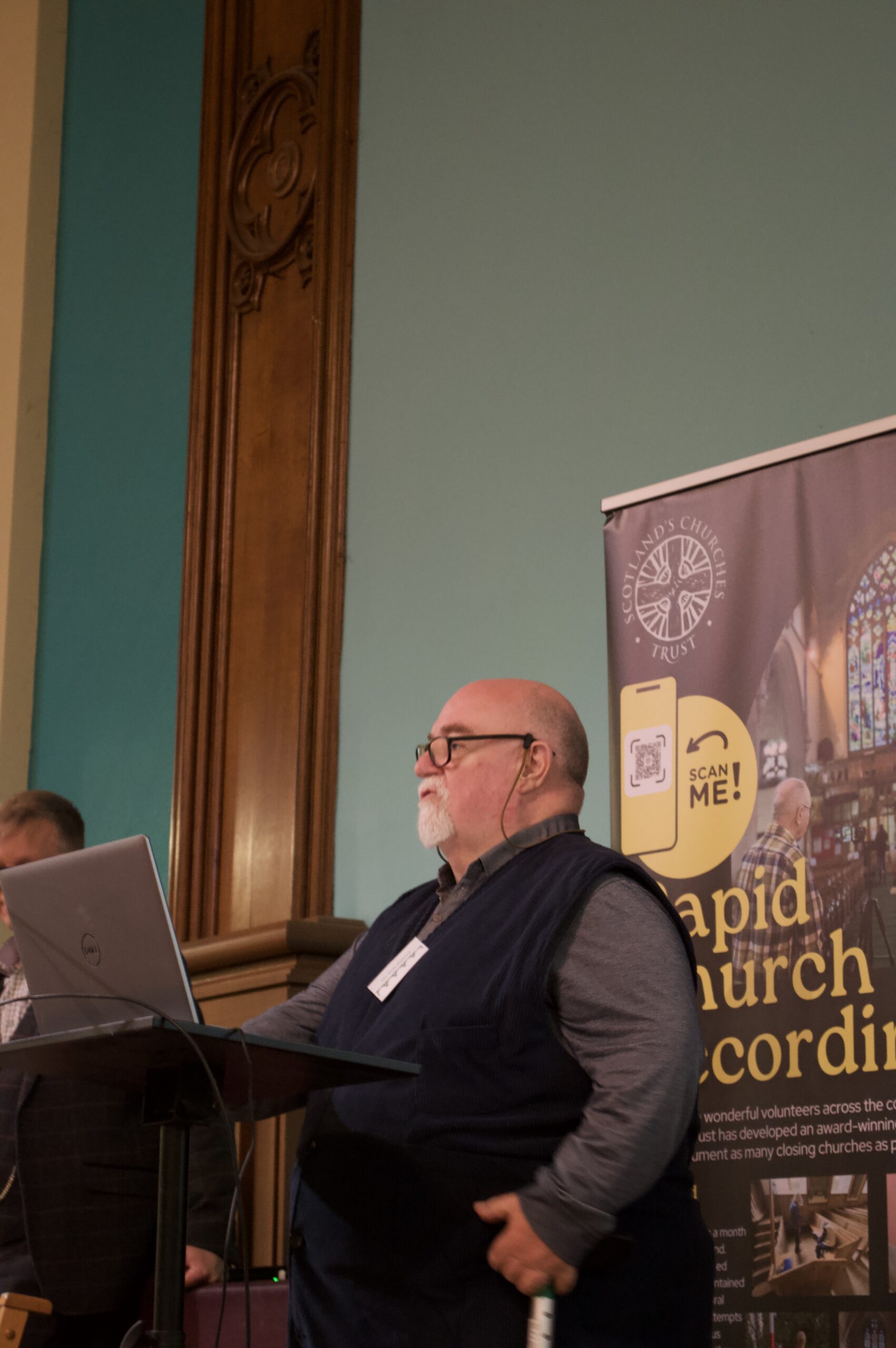
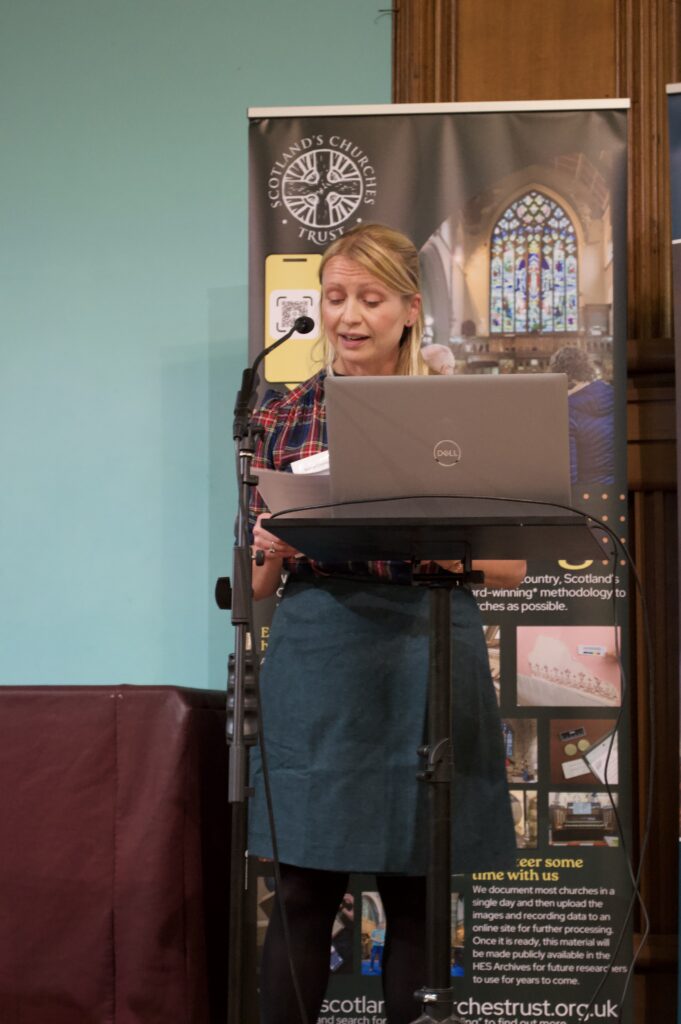
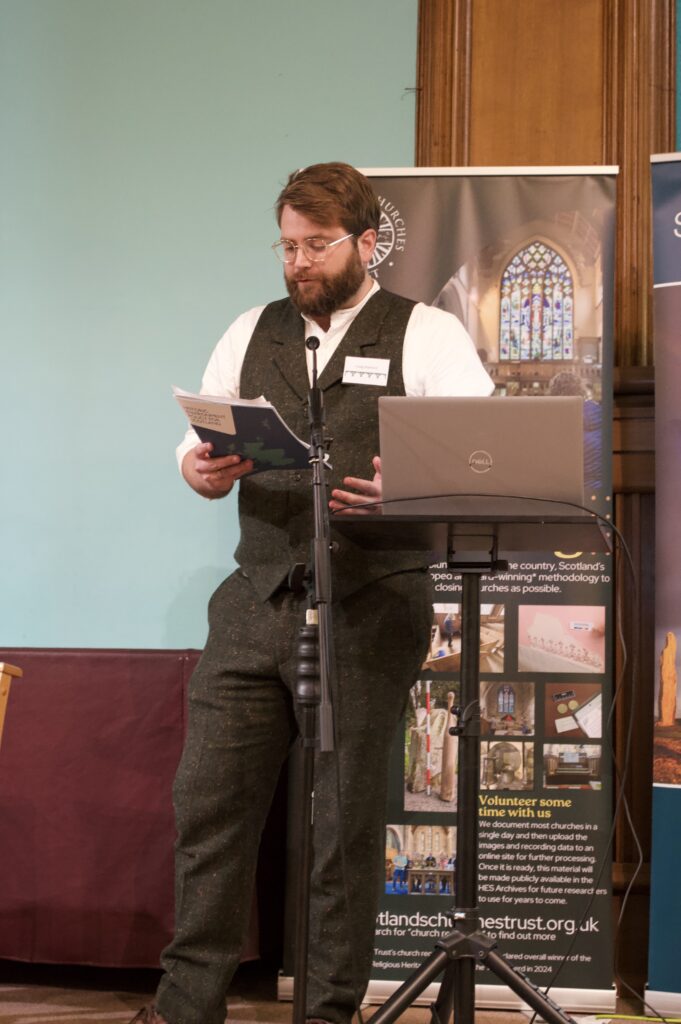
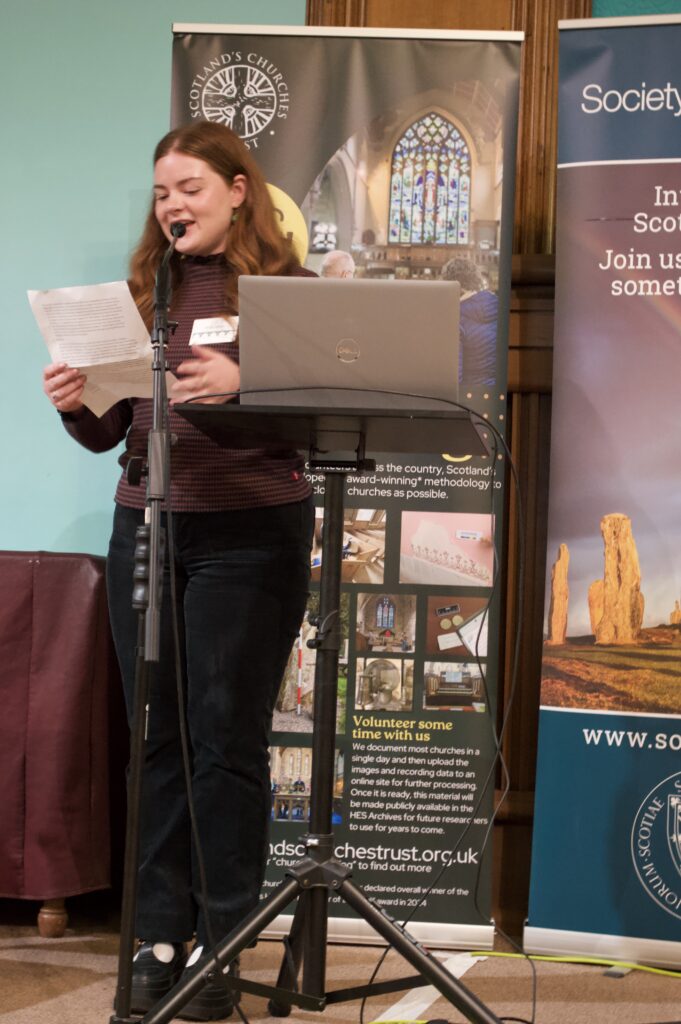
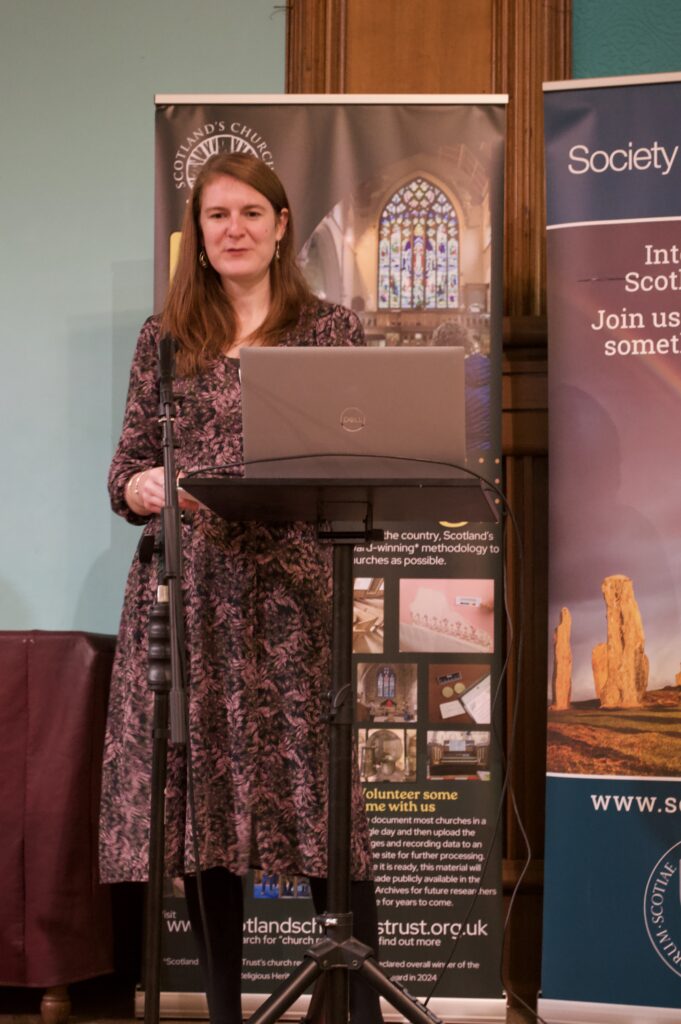
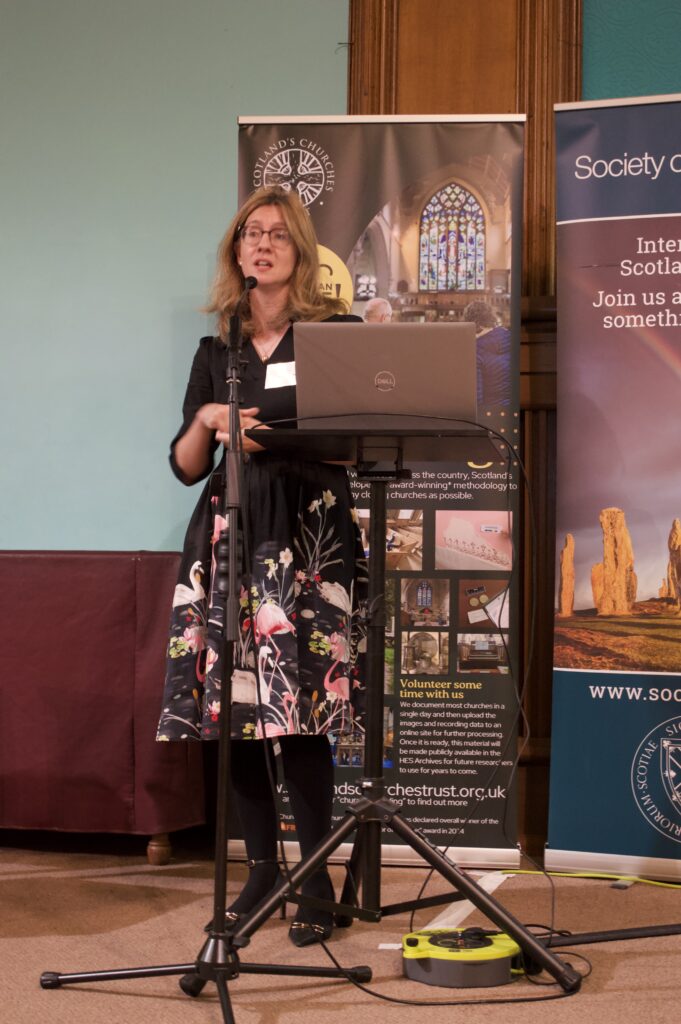
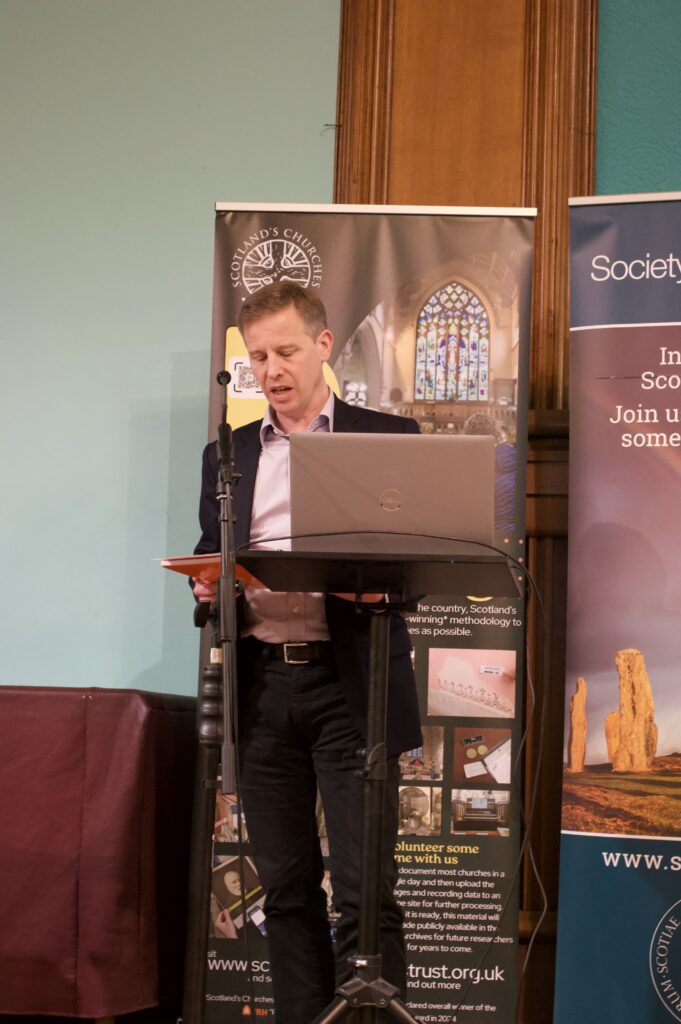
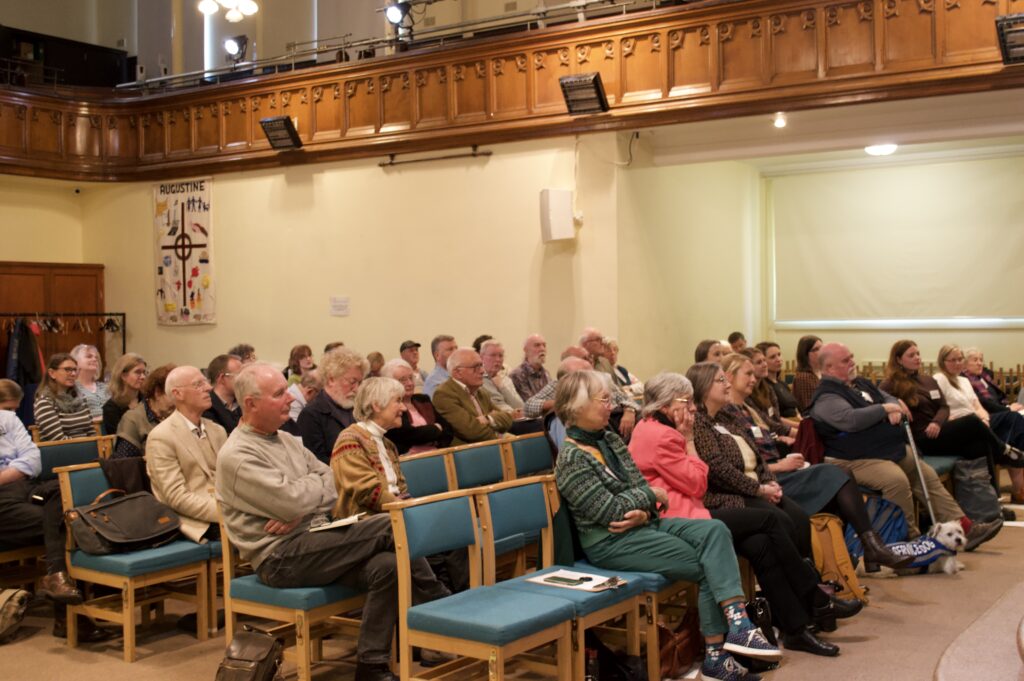
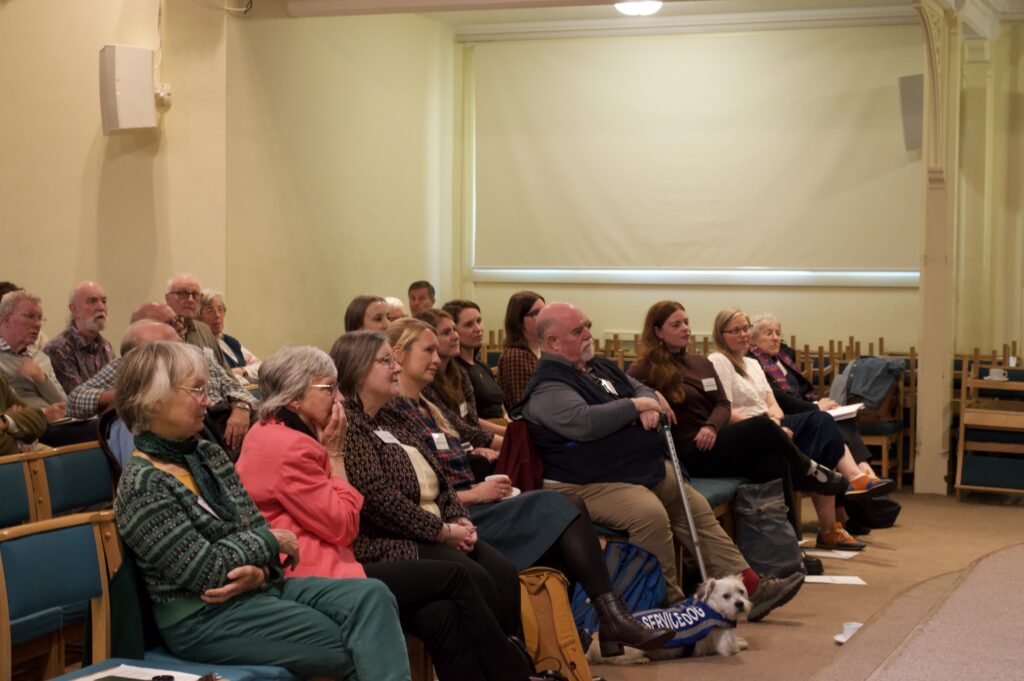
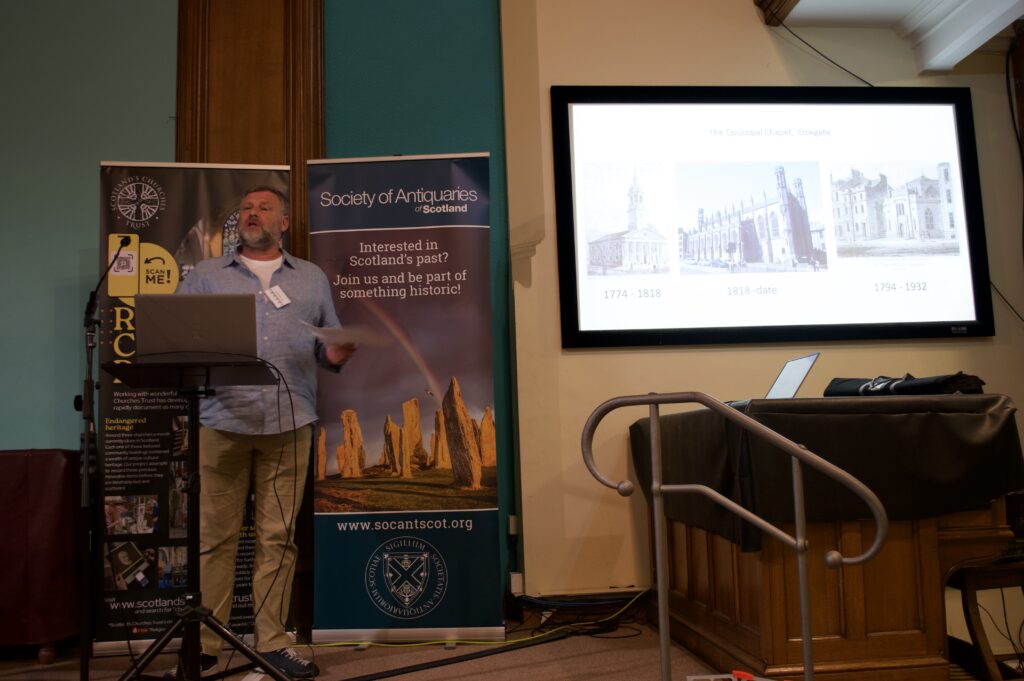
    In September, we were delighted to welcome around 80 attendees both in person and online to the launch symposium for Research in Action on Church Heritage. It was a fantastic afternoon of talks, discussion and connection, and a wonderful way to share this project.  

    Exploring Churches Through Objects and Stories 

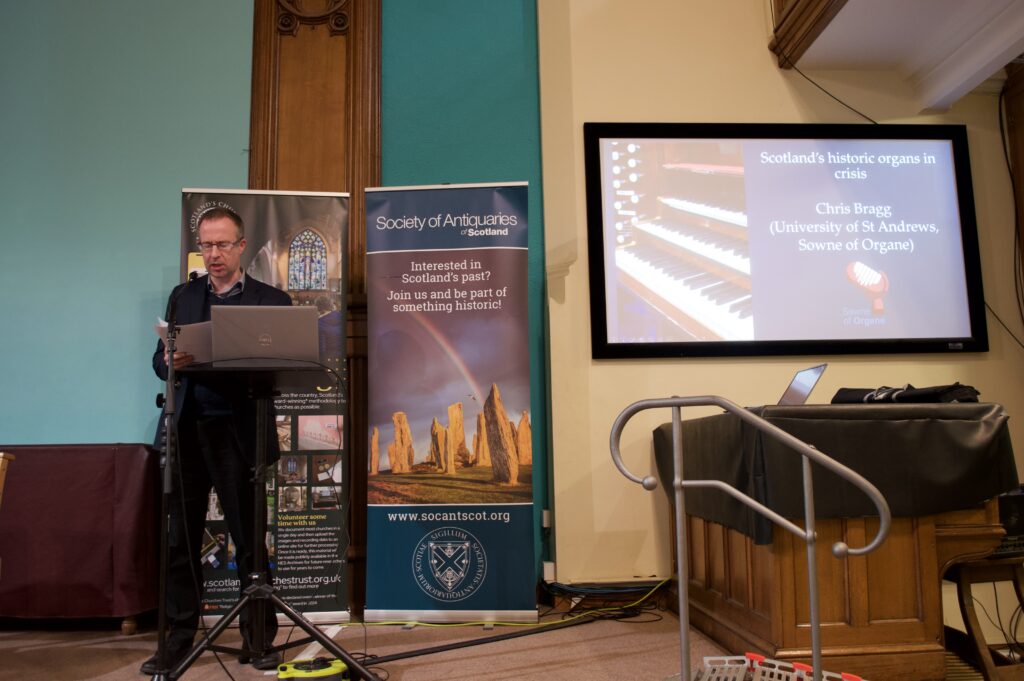
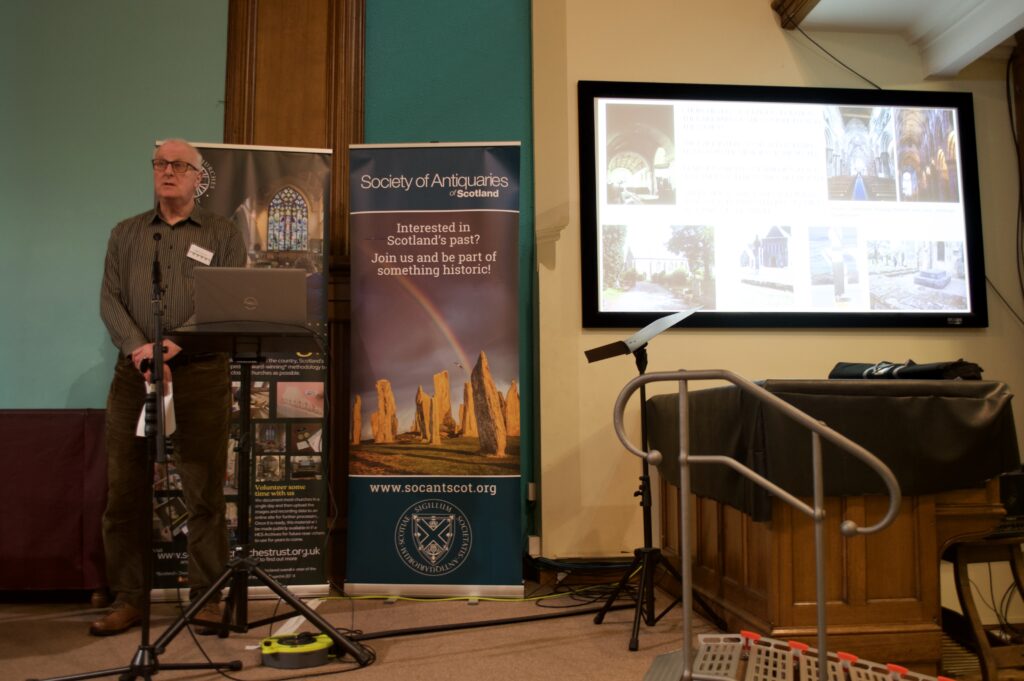
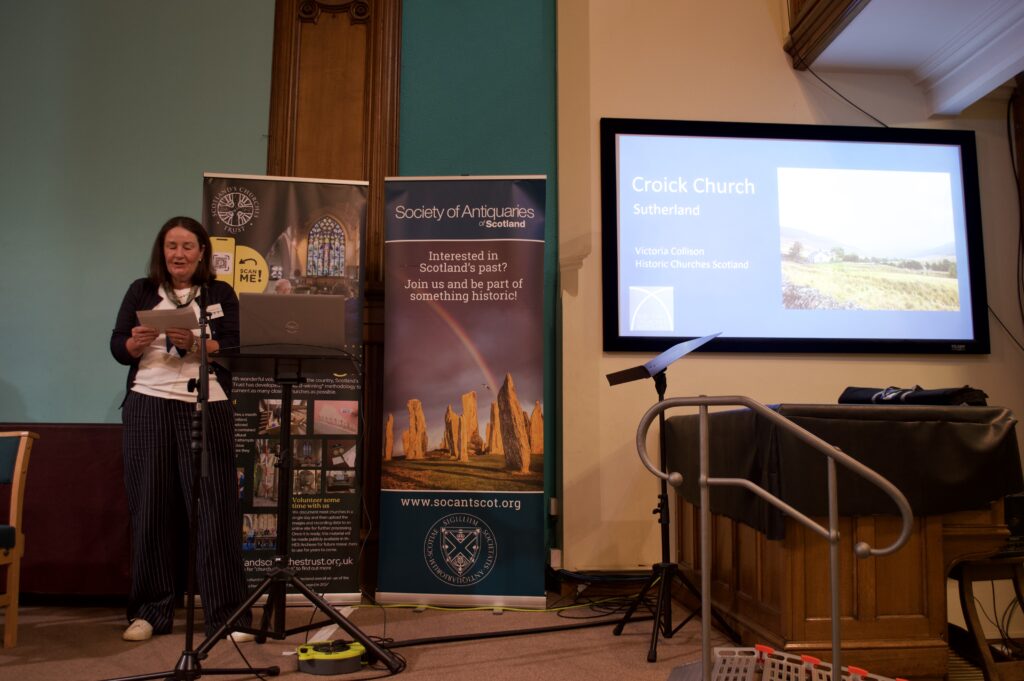
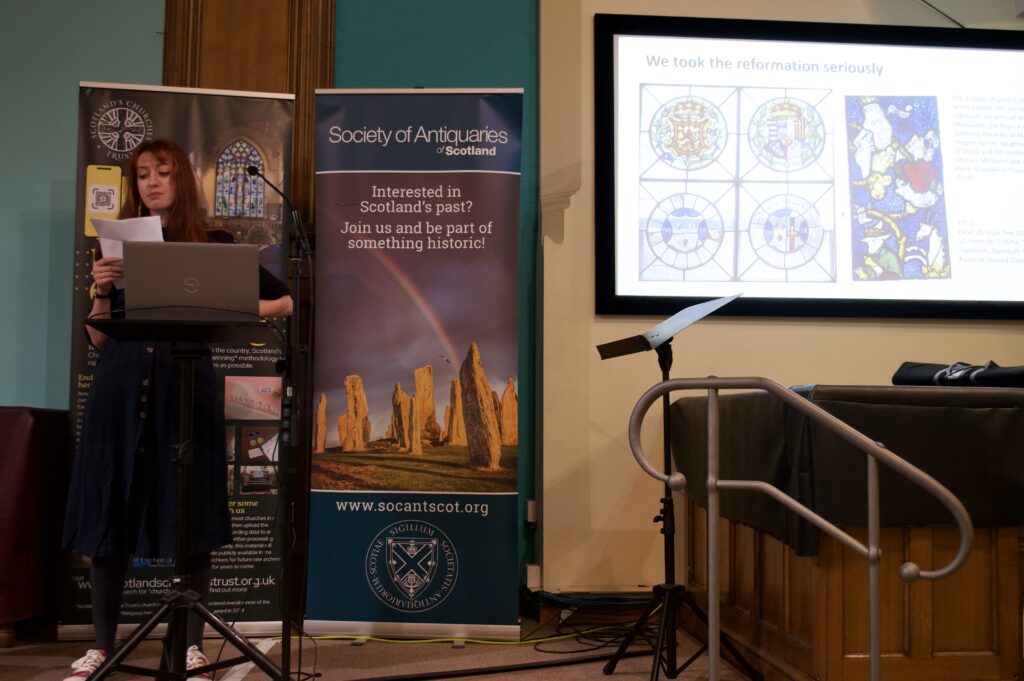
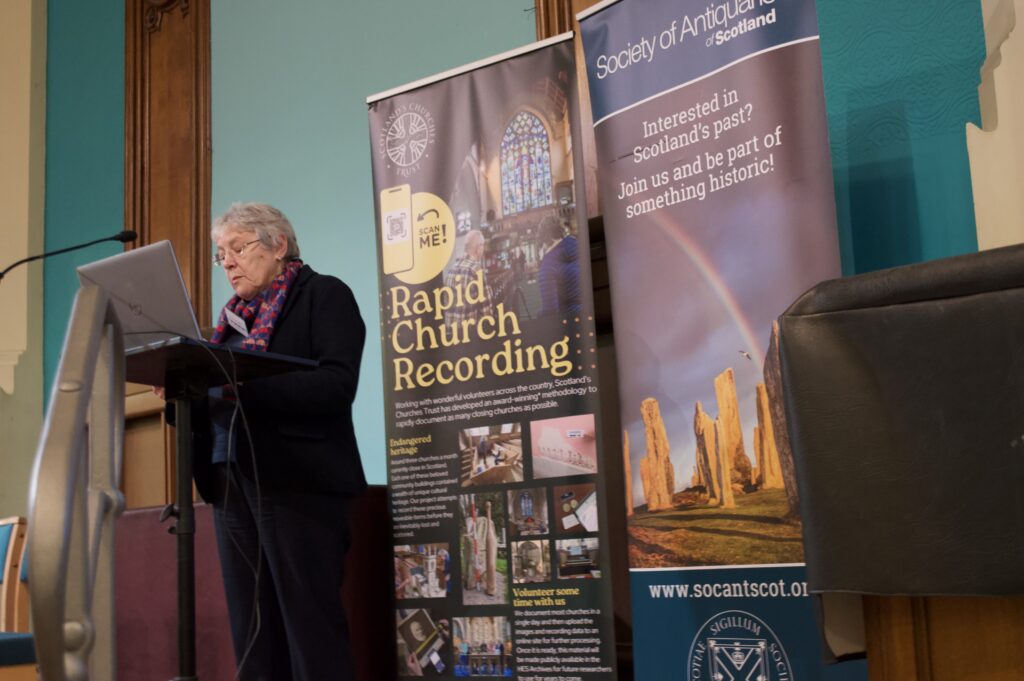
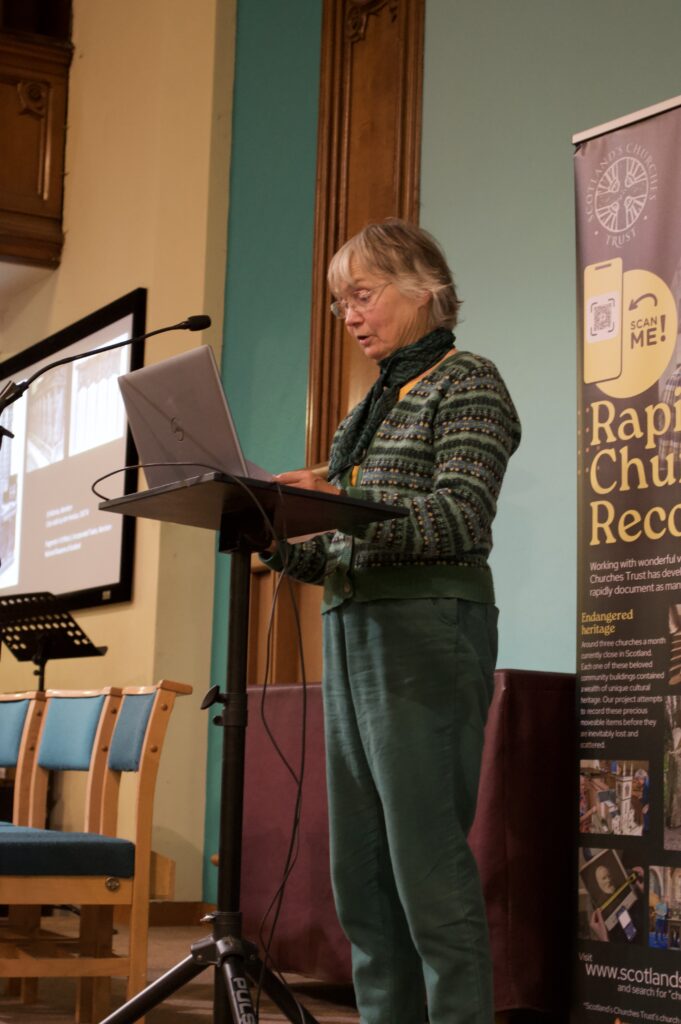
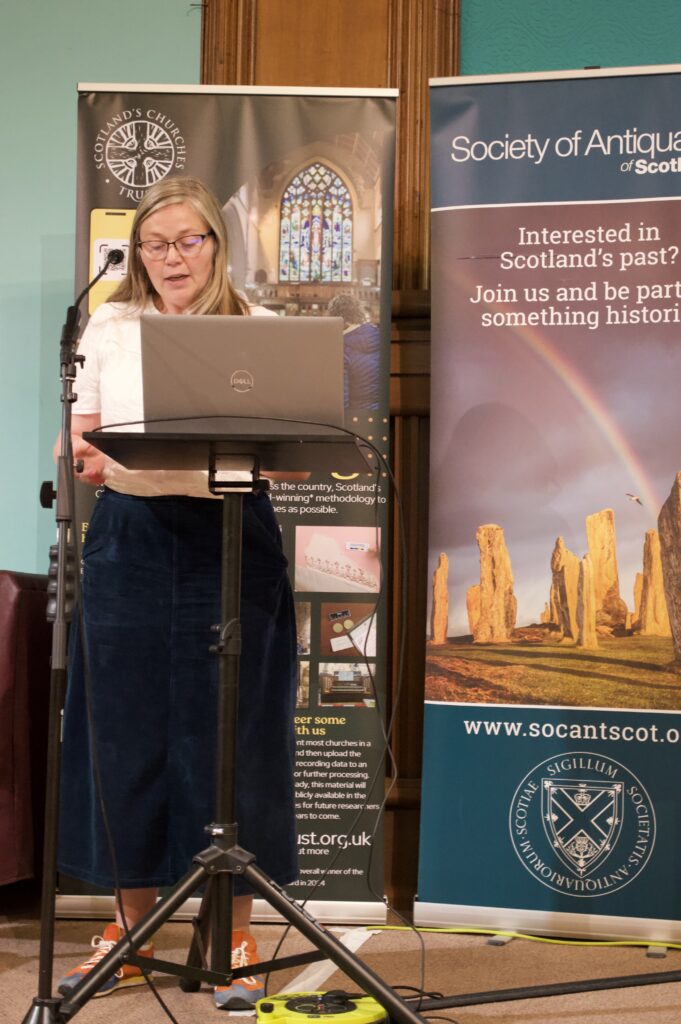
    The symposium opened with a series of 20 lightning talks, each offering a snapshot of material culture from Scotland’s churches. From fonts to heraldry, stained glass to covenant banners, each of our expert speakers showed how the physical fabric of a church can give us insights into the history of a congregation and community.  

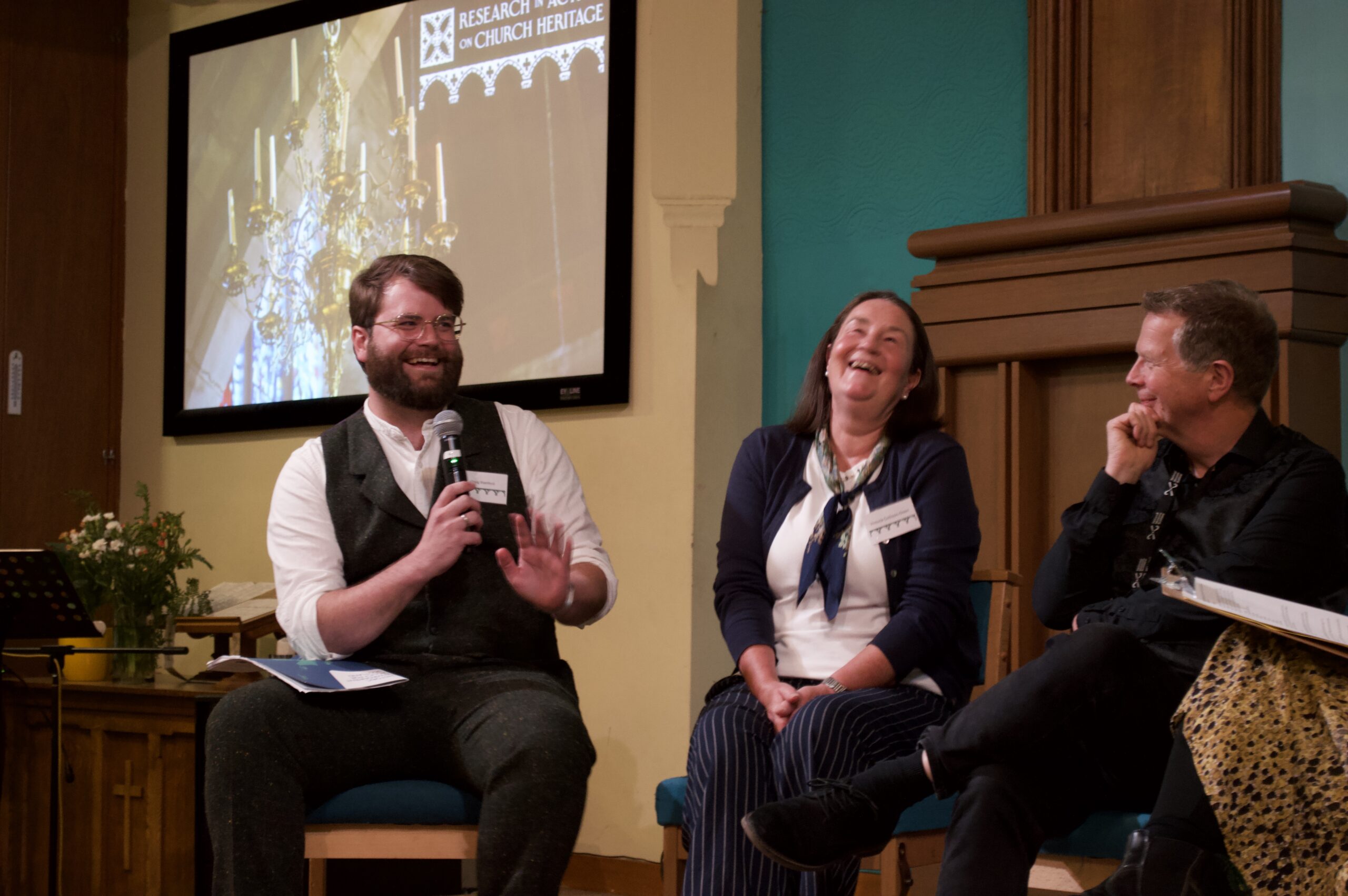
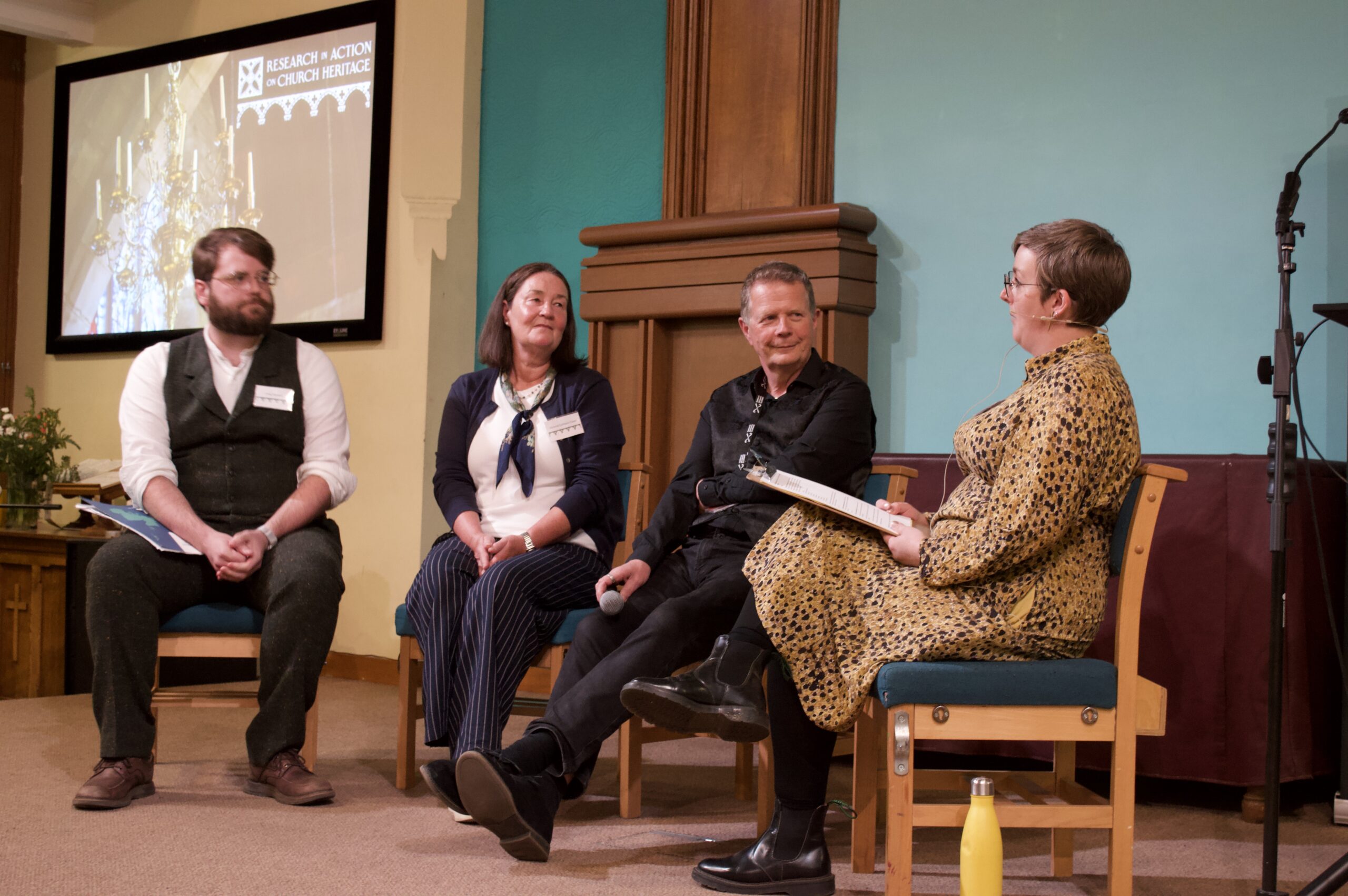
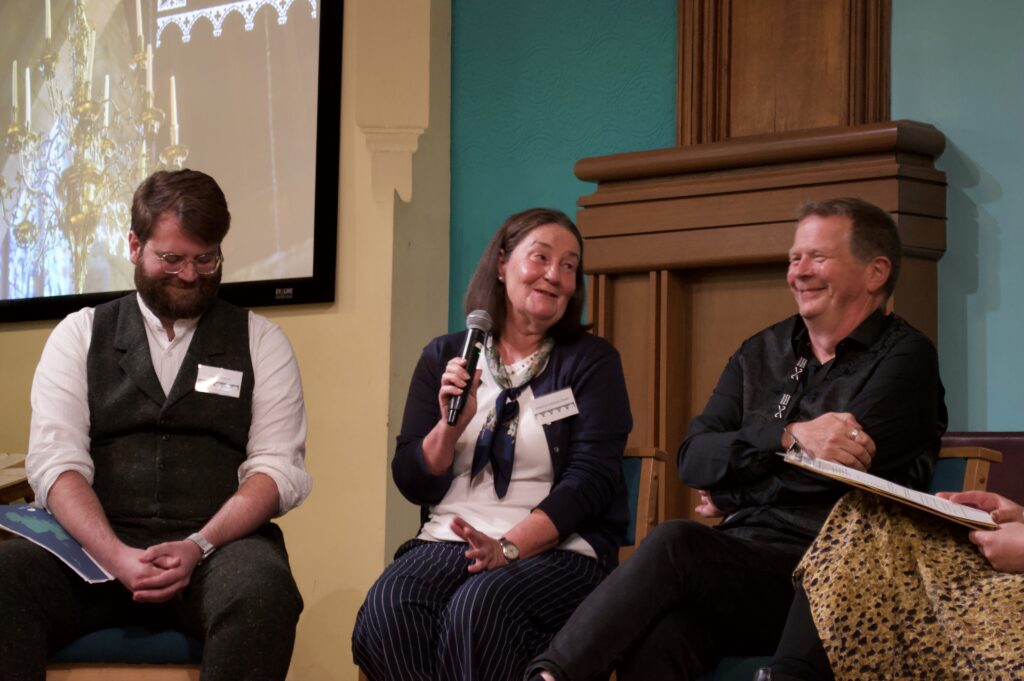
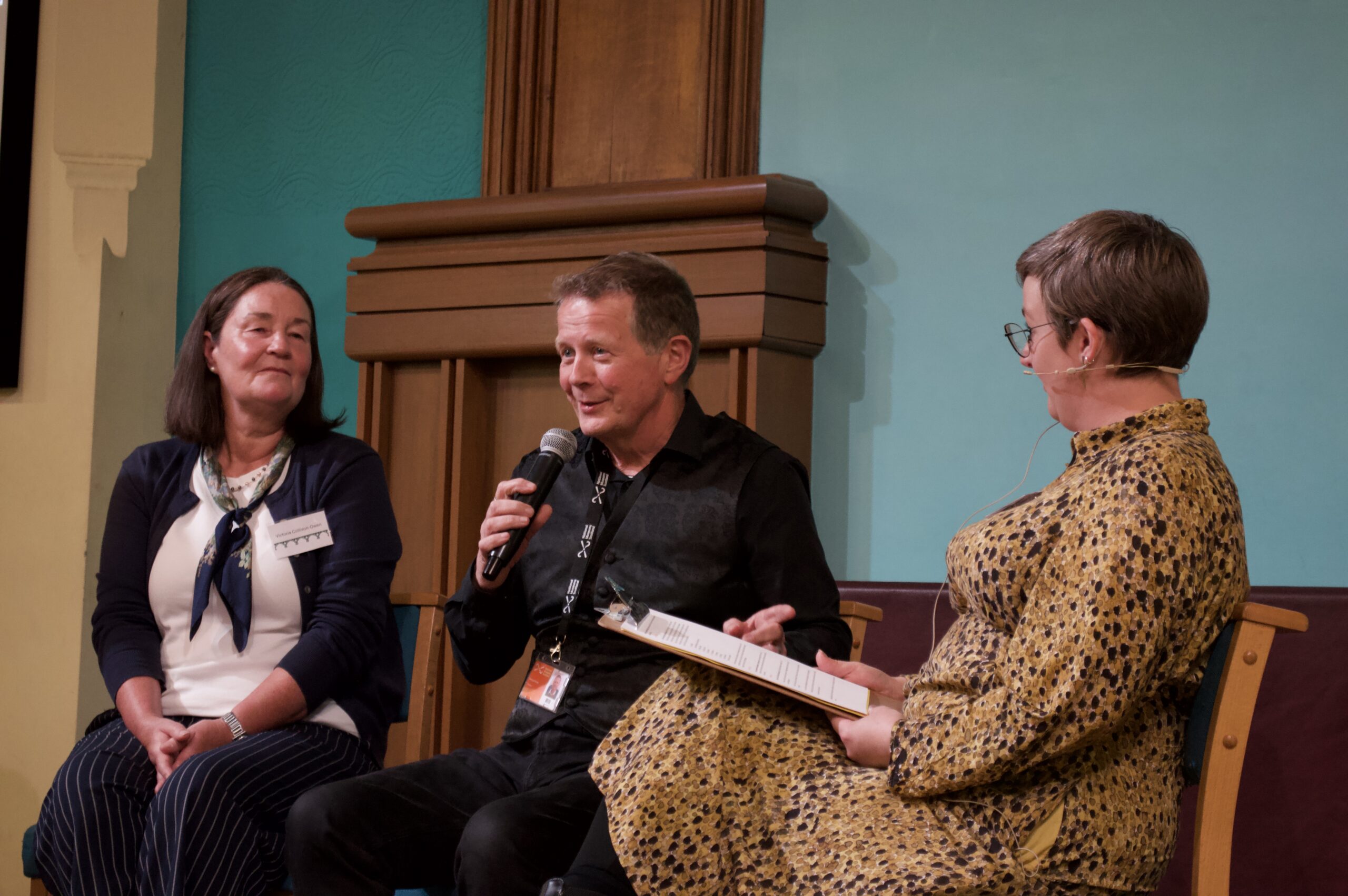
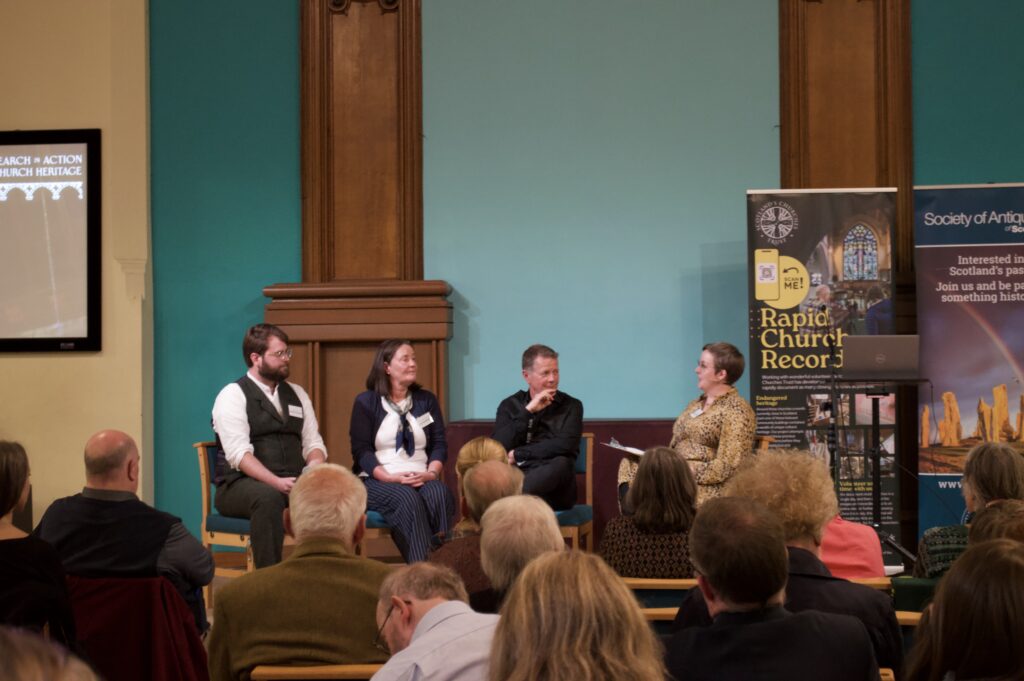
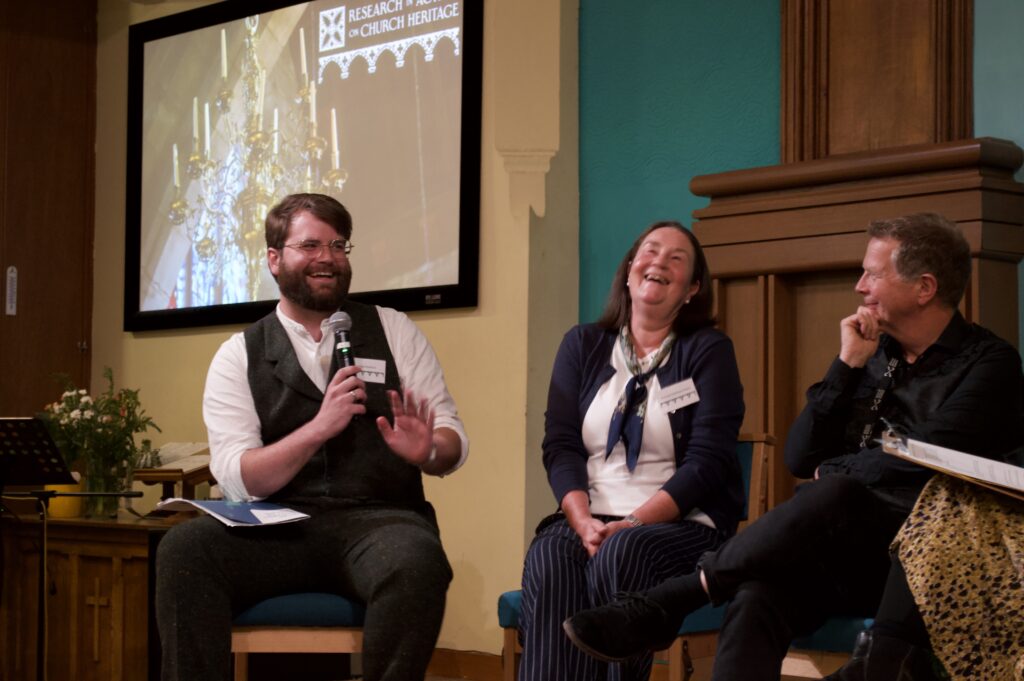
    In the second part of the afternoon, Lizzie hosted a roundtable discussion with Craig Stanford (HES), Victoria Collison-Owen (Historic Churches Scotland) and Richard Oram (University of Stirling), which drew out some of the challenges which face people and church buildings – looking to the past, present and future.  

    “The crisis in ecclesiastical churches often intersects with crises in our society in troubling ways” – Bess Rhodes 

    Building Networks 

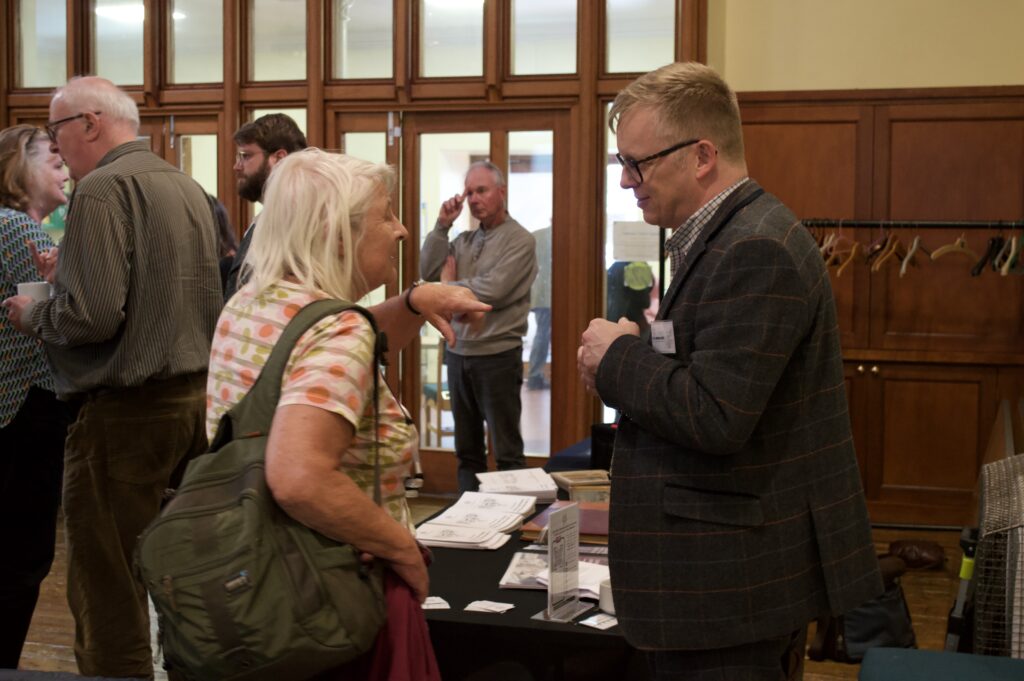
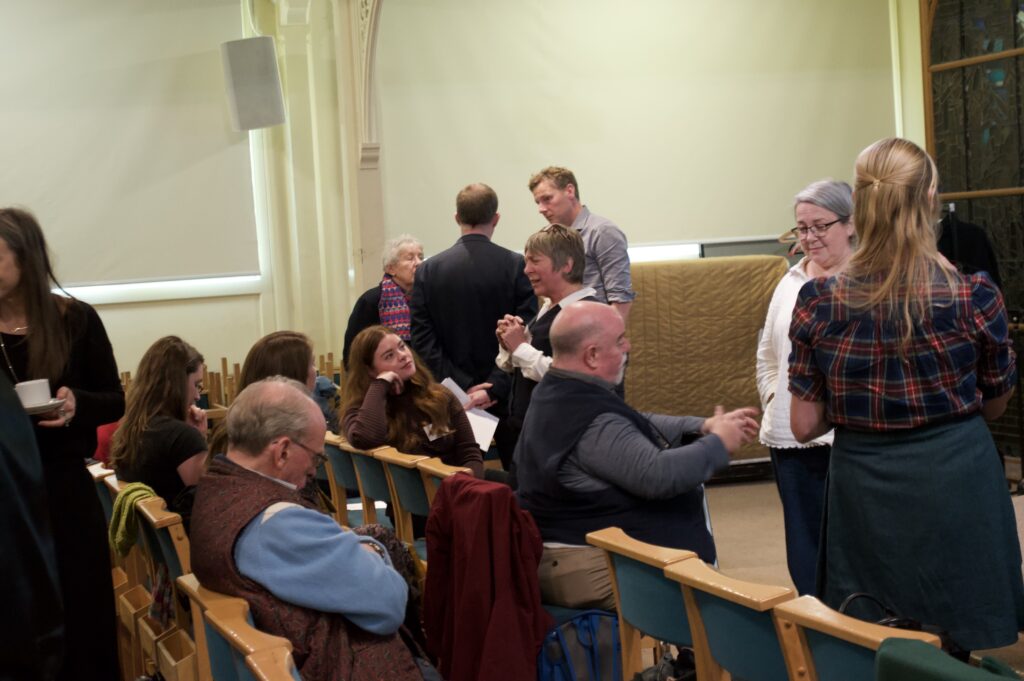
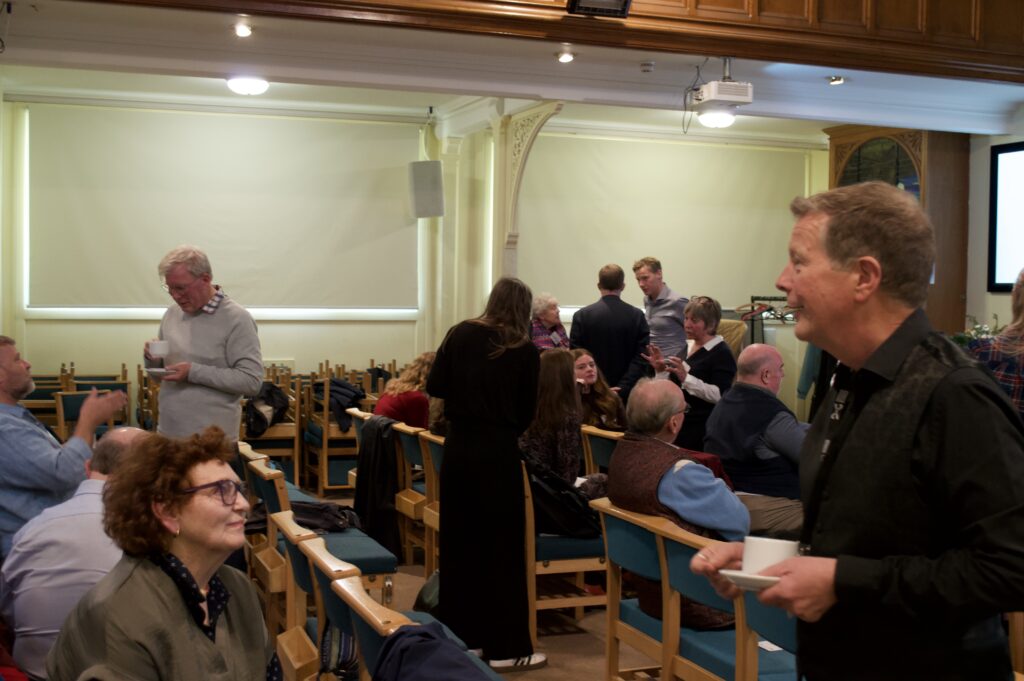
    The symposium was valuable for the conversations that it sparked, and the coffee breaks and drinks reception were filled with lively conversations. We hope that many attendees have created important new connections that will continue beyond the event.  

    “It’s not just about the buildings; it’s about the people” – Richard Oram 

    Launching the Action Group 

    The symposium also marked the launch of the Action Group, a network for those interested in shaping the future of Scotland’s churches. The Action Group functions as a network of friendly experts, who can share their knowledge on different aspects of church heritage, and support congregations, communities and churches in times of transition.  

    “It’s hard to take a national approach when all of these buildings are unique” – Craig Stanford 

    We also unveiled our new project website, which will be a hub for updates, reflections and shared resources. We will be continually updating the website with project news, events and the forthcoming database.  

    Key Messages from the Day 

    The day left us with some important reminders:  

    • Material culture tells stories – The objects and fabric of churches reflect the lives, values and histories of communities 
    • Collaboration is essential – Sharing knowledge, data and approaches is vital for moving forward 
    • No two churches are alike – Each place of worship is unique and solutions must reflect that individuality 
    • People and buildings are inseparable – Heritage is not only about the buildings, but also memory, community and belonging 

    “The buildings belong to communities… these can be communities of place and global communities of interest” – Victoria Collison-Owen 

    Next Steps for Research in Action on Church Heritage 

    The symposium was just the beginning. Through upcoming fieldwork, contributions from our Action Group and working with communities, we will continue to explore how Scotland’s church heritage can be understood, valued and sustained for the future.  

    Thank you to all who joined us, whether in Edinburgh or online – we’re excited to continue our work and see where it takes us next! 

  • Planning Forward: Our Day at the Places of Worship Forum  

    Planning Forward: Our Day at the Places of Worship Forum  

    At the end of August, Lizzie, Helen and Emily joined colleagues from across Scotland at the Places of Worship Forum: Planning Forward Event – a chance to share ideas, learn from experiences and talk about the future of church heritage.  

    The event was hosted by Built Environment Scotland (BEFS) and brought together community groups, heritage organisations and researchers to discuss the challenges and opportunities facing Scotland’s places of worship. The day was designed for collaboration and honest conversation, in the fantastic space of The Pyramid at Anderston.  

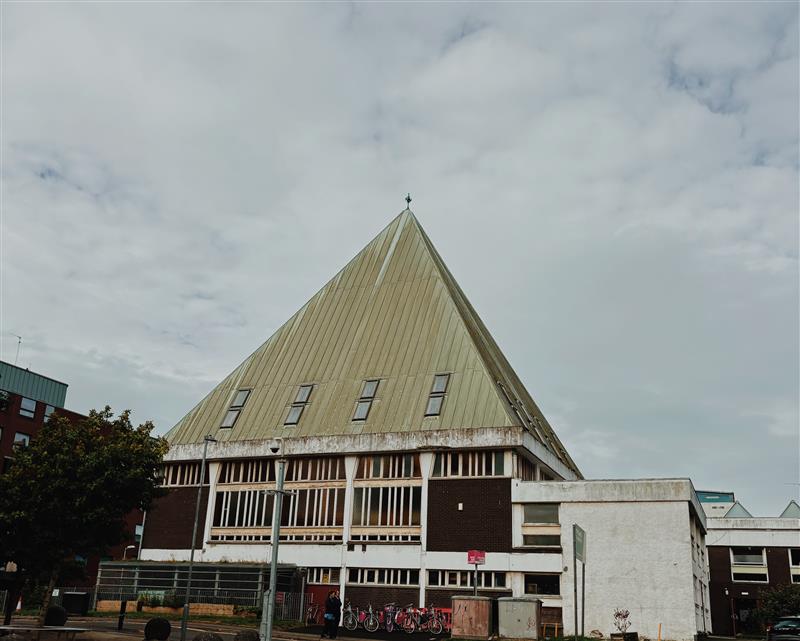
    Photo of the Pyramid building, which is in the centre of the frame. The pointed roof of the building is green with four small windows at the bottom. The roof sits on a brown square building with white columns and panels at the windows. Next to this is a concrete square building. The sky takes up 2/3 of the frame and is mostly clouds with some blue. At the far left of the frame is a tree, coming to the height where the roof starts.
    The Pyramid at Anderston building

    The day began with short talks from key projects which have already begun to tackle some of the issues of closing churches. Alongside Craig Stanford (HES), Harry Whitmore (DTAS) and our own Lizzie Swarbrick and DJ Johnston-Smith presented on the ‘Research in Action on Church Heritage’ project, sharing our project aims with the group of attendees. Together, these talks gave a strategic overview of the sector and showed the different ways people are working towards sustainable solutions.  

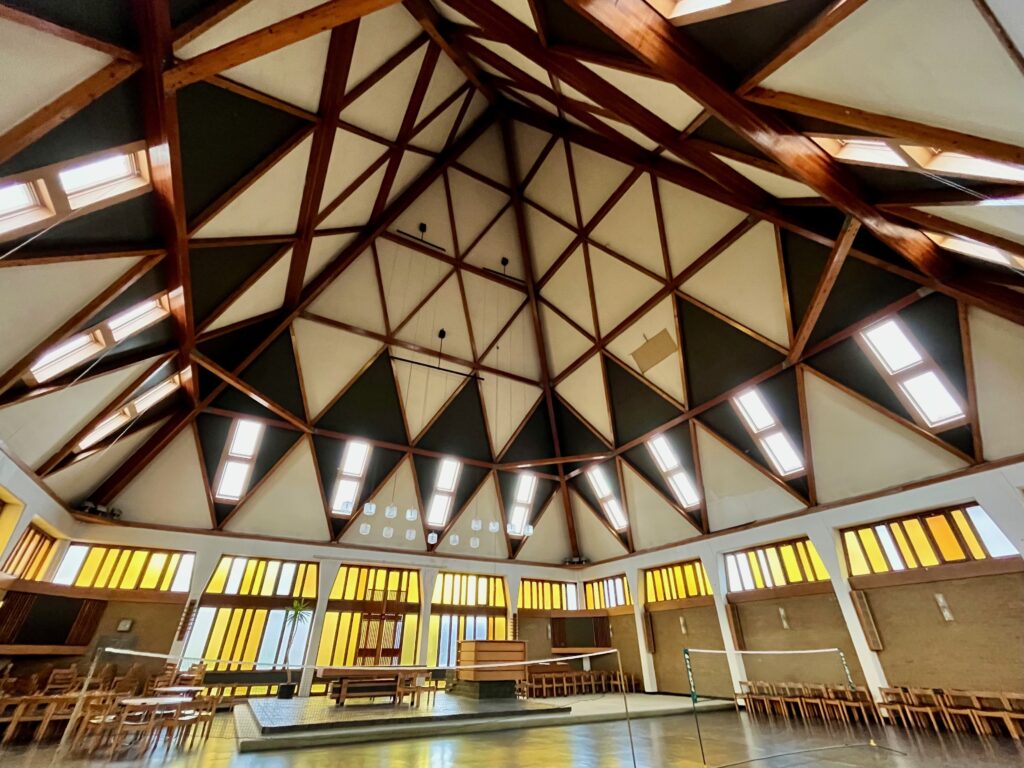
    The interior of the pyramid. The roof comes to a point off centre, and is made of geometric shapes with white and black triangles. Around the walls of the room, and at the lower third of the image, are vertical windows which have yellow panes of glass.
    The impressive interior of the Pyramid at Anderston

    Before an excellent buffet lunch, we split into breakout groups to explore “common problems for unique buildings”. These thematic discussion groups explored issues such as:  

    • Changes of land use for church land and graveyards 
    • Challenges around materiality and interiors 
    • Ecclesiastical exemption  
    • Adapting of places of worship for new uses 

    Our project team divided ourselves across the groups so that we could be a part of as many conversations as possible. It was motivating to hear such a variety of perspectives and experiences come together around shared challenges.  

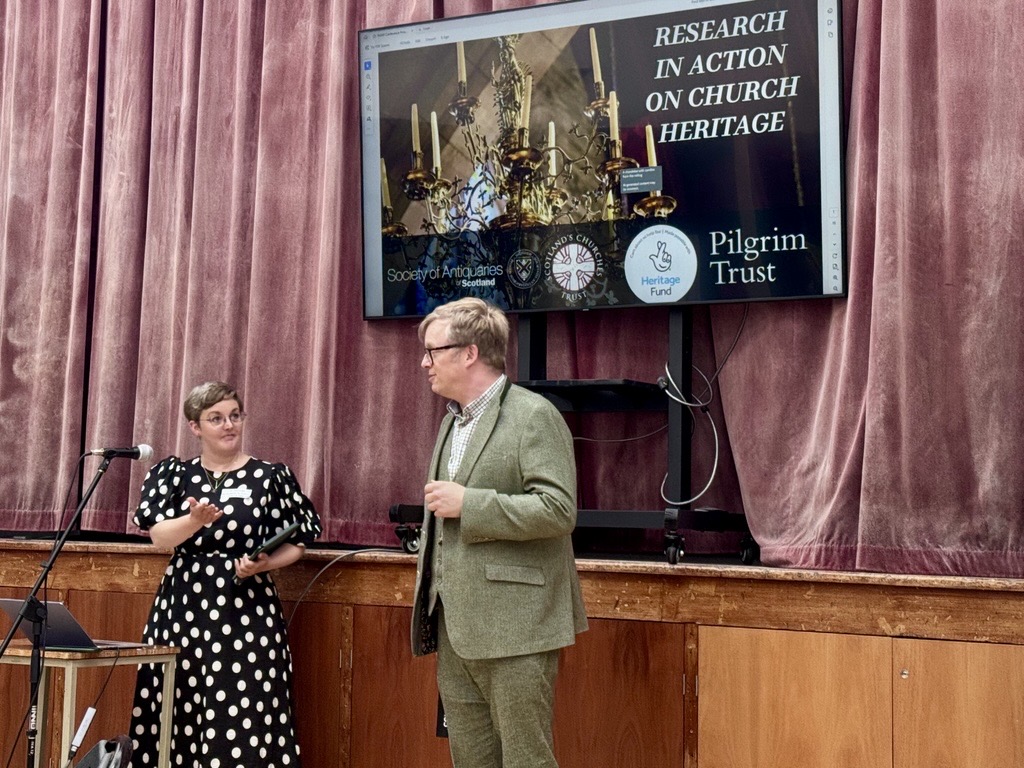
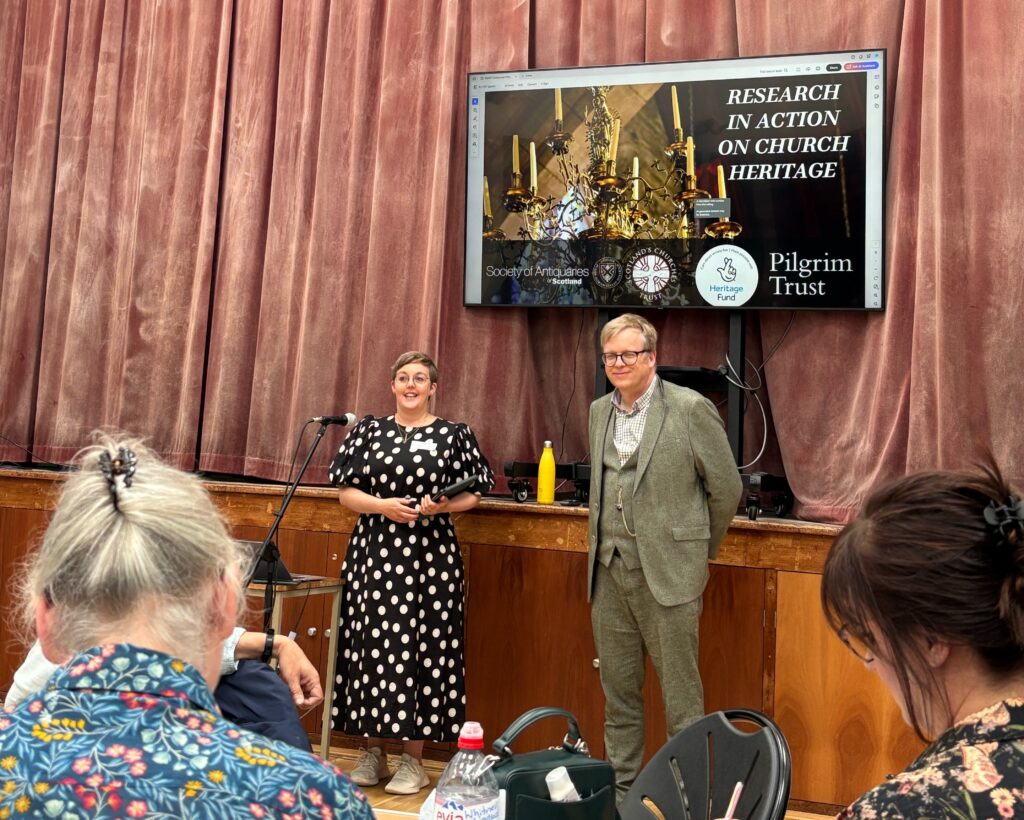
    Lizzie (in a black and white polka dot dress) stands behind a microphone off centre of the frame, with DJ (in a three piece green tweed suit) stands next to her with his hands behind his back. Behind them is the stage which faded red velvet curtains, and a screen behind their heads with a slide saying "research in action on church heritage" and image of a chandelier. At the foreground of the picture are the back of the heads of audience members - two women are either side. On the left is a lady with grey hair in an up do, with blue patterned shirt and on the right is lady with brown hair and a dark shirt.
    Lizzie and DJ introducing the project

    After lunch, these group sharing and blue-skying exercises were then effectively summarised by the breakout group facilitators, which led us into lively discussions amongst all the attendees about ways forward and potential collaborations.  

    For us, one of the most valuable parts of the day was meeting people who are directly involved in saving church heritage and supporting congregations through times of transition. These conversations are already shaping how we design our research, to ensure that it is useful in practice.  

    We’re excited to keep building these connections, and to continue the conversation at our own symposium on Thursday. Our event will focus more closely on the heritage features of churches, with lightning talks and round-table discussions. We’d love to see many of you there – for more information click here