Category: Project Updates

  • Behind the scenes: building the ReACH database

    Behind the scenes: building the ReACH database

    As fieldwork progresses and the first pilot studies take shape, an equally important strand of the ReACH project is developing quietly in the background: bringing together a robust, accessible and future-proof evidence base for Scotland’s church buildings at risk of closure.

    Over the last few weeks, the ReACH team have been laying the foundations of the project database that will ultimately sit at the heart of this website. This work is less visible than a site visit or a public talk, but it is essential for our project aims. Good decisions about the future of church buildings depend on good information, and that starts with clear, consistent and shareable data.

    Defining what we record and why

    One of our first tasks has been to decide the structure of the dataset itself: the headings, categories and definitions that will underpin how we record churches across Scotland. These decisions matter. They shape what stories can be told, what comparisons can be made, and how easily users – from congregations and community groups to researchers and decision-makers – can find what they need.

    We have been refining and testing a structure that captures both tangible heritage (from architectural features to current condition) and social value (including community relationships, activities, memories and local significance). This brings together Scotland’s Churches Trust’s longstanding recording methodology with the emerging needs of the sector.

    Bringing existing knowledge into one place

    Alongside creating the framework, we’ve been mapping the sources of data, research and surveys that already exist. Scotland is fortunate to have decades of studies, inventories, architectural records, community projects and specialist research – but much of it is scattered, stored in different formats, or not widely known.

    Over the past few weeks, we have had generous and productive conversations with researchers, heritage professionals and volunteers who are keen to collaborate – many of whom are part of our Heritage Action Group. Many are now working alongside us to help identify, review and connect the datasets they hold. Their willingness to share knowledge has reaffirmed something we already suspected: there is a real appetite for a central hub that brings information together while still pointing back to the organisations that created it.

    This part of the project is still growing, but the momentum is strong. We are already collating material into the draft database, testing how best to integrate external sources, and exploring how we can signpost to partner resources in ways that are clear and meaningful.

    Building an accessible digital platform

    Ultimately, the value of all this work depends on accessibility. That’s why the ReACH website is being designed not just as a project homepage, but as a long-term digital resource. The database will feed into public-facing pages that allow users to explore Scotland’s church heritage through filters and linked stories.

    This will take shape gradually, but the foundations are now firmly underway. As we continue to refine the database, expand our partnerships and test the user experience, we’ll share more updates on progress and opportunities to get involved.

    For now, a huge thank-you to everyone who has already contributed expertise, datasets and enthusiasm – if you know of a dataset that could be linked, then please do get in touch! Together, we’re building something that can support the future of these buildings and the communities connected to them, for years to come.


    Update from ReACH Community Officer, Dr Emily Johnston

  • ReACH Autumn Update

    ReACH Autumn Update

    As we move further into the autumn months, the ReACH team has been continuing to build momentum across our research strands. As well as making progress on our data collection, the past few weeks have also offered valuable opportunities to connect with others working in church heritage across the UK.  

    Reflections from the V&A’s Great Expectations Conference 

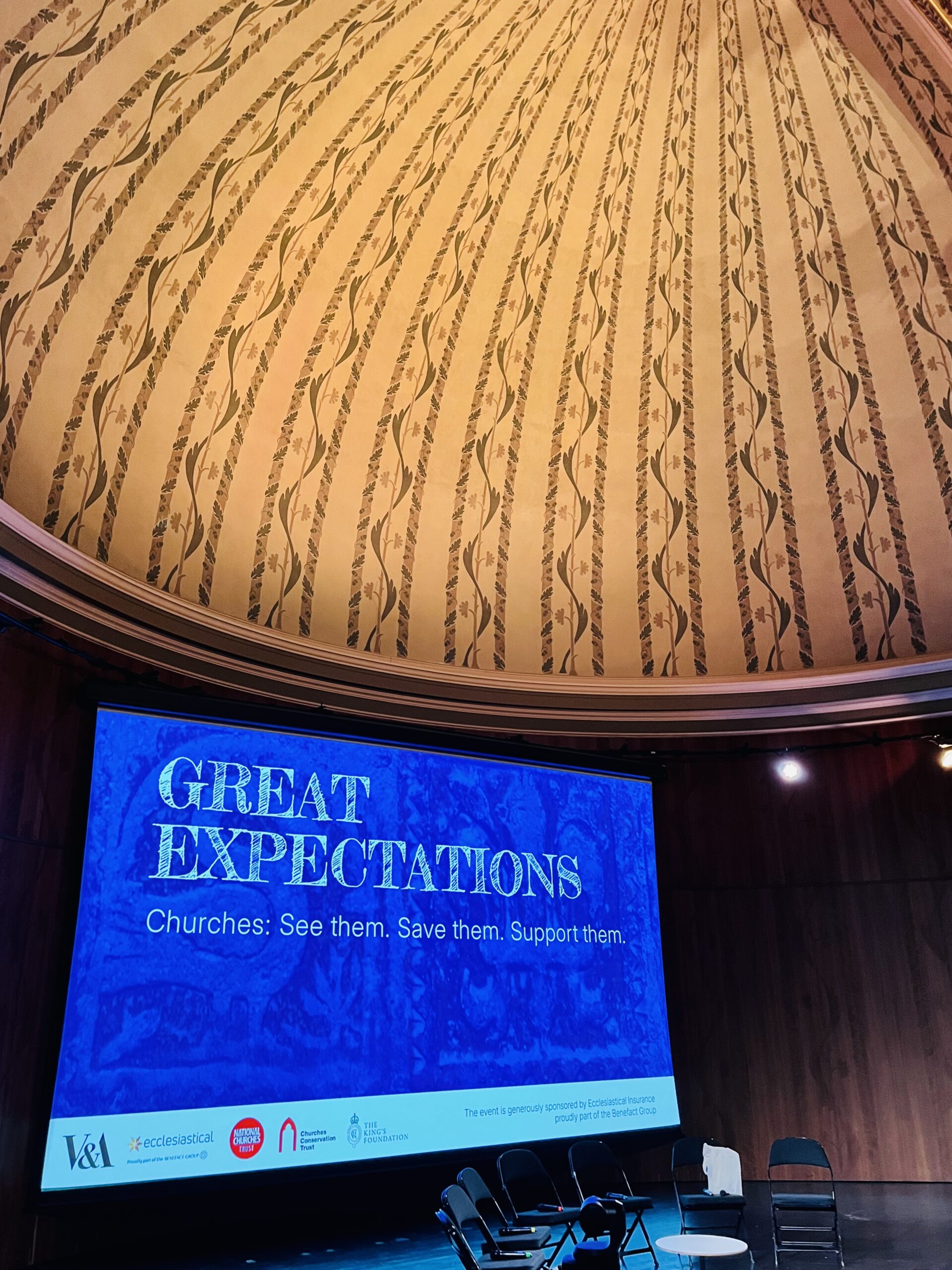
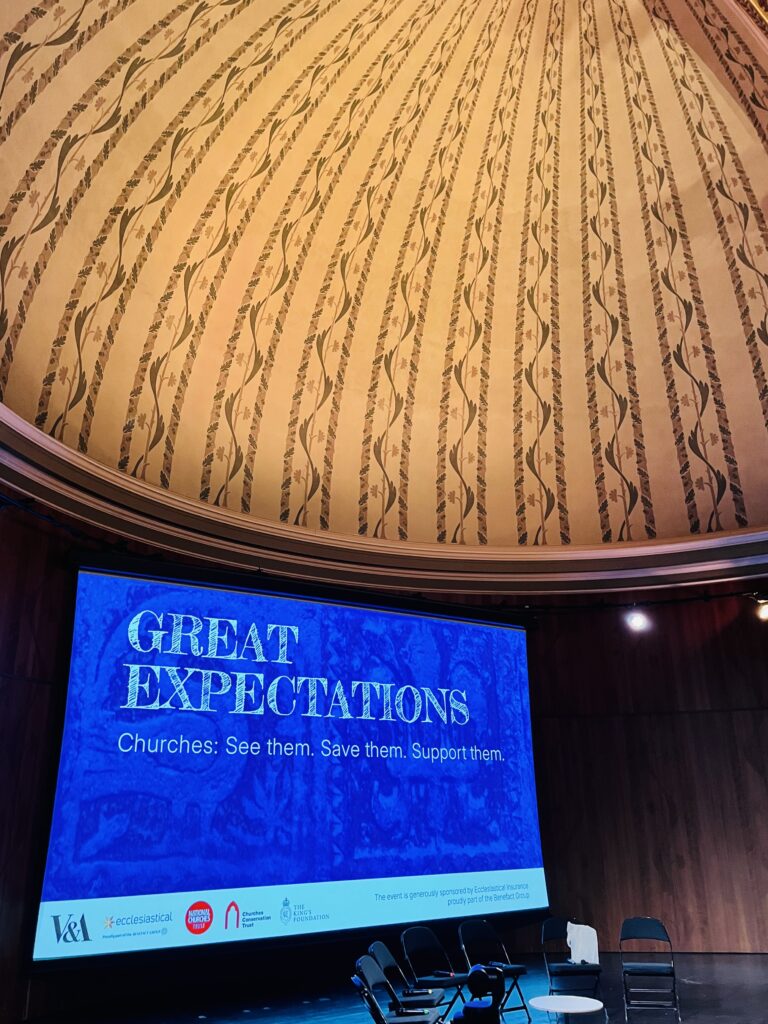
    Earlier this month, Lizzie attended the V&A’s Great Expectations: Working with Historic Places of Worship conference in London, with Emily and Helen joining the event online. The day brought together a broad range of voices, from heritage professionals, people working within faith communities, and even some familiar public figures like Hugh Dennis and Rob Rinder, who all reflected on the challenges and opportunities facing historic churches today.  

    Much of the discussion echoed themes at the heart of ReACH, including the necessity to understand churches as not only architectural landmarks, but also as places which are layered with memory, meaning and community identity. Many of the speakers shared personal stories and lived experiences which have shaped their connections to these buildings, emphasising that communities lie central to conversations about their future.  

    It was encouraging to see an alignment with our project aims, and to situate Scotland’s challenges within this wider UK context.  

    Sharing ReACH at the Historic Religious Buildings Alliance 

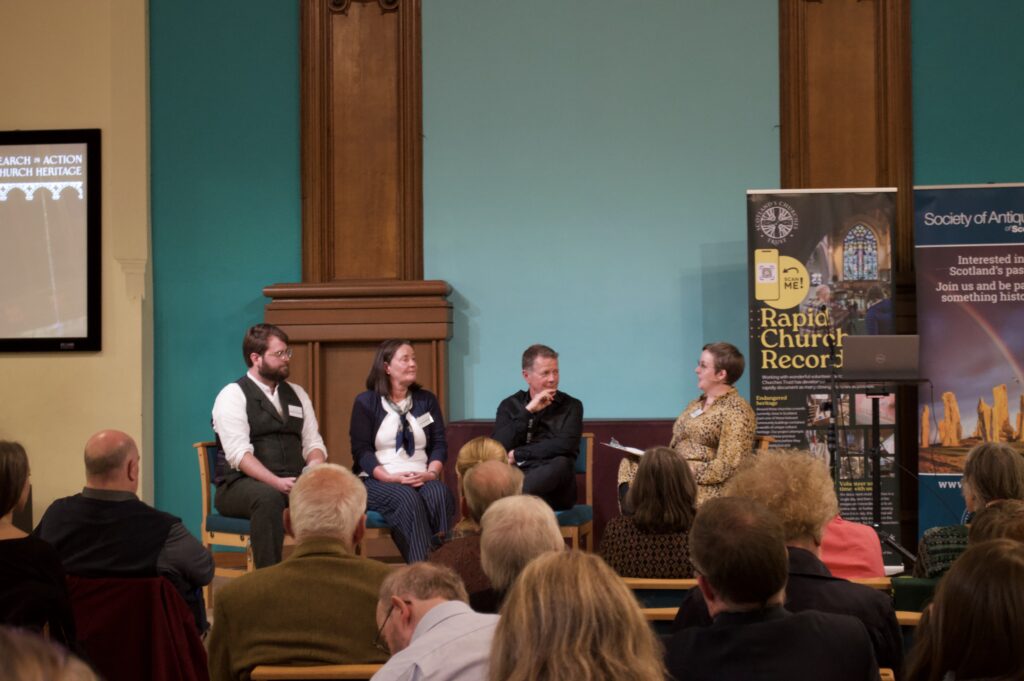
    Following on from her attendance at the V&A event, Lizzie also recently spoke at the Historic Religious Buildings Alliance (HRBA), which introduced the project to a new audience of practitioners, researchers and heritage professionals. The session also generated valuable contacts and potential collaborators, which we look forward to developing as the project progresses.  

    Progress on Data Collection  

    Our data collection work continues steadily, and we are currently gathering and consolidating information from national heritage records, archival surveys and church inventories, specialist databases and existing reports (such as those generated by Scotland’s Churches Trust Church Recording Project) and academic research.  

    This process is helping us to map both the existing knowledge base, as well as the gaps that still need to be explored. This is a critical stage as we begin to shape the structure of our database, which will be publicly accessible and will bring together tangible and intangible heritage information in a single, open resource.  

    We have also begun engaging with organisations and individuals across the sector to explore data-sharing collaborations. Many people have undertaken excellent recording work in specific areas of church heritage and we aim to bring these efforts together, in order to strengthen the overall picture.  

    Preparing Our Next Pilot Study 

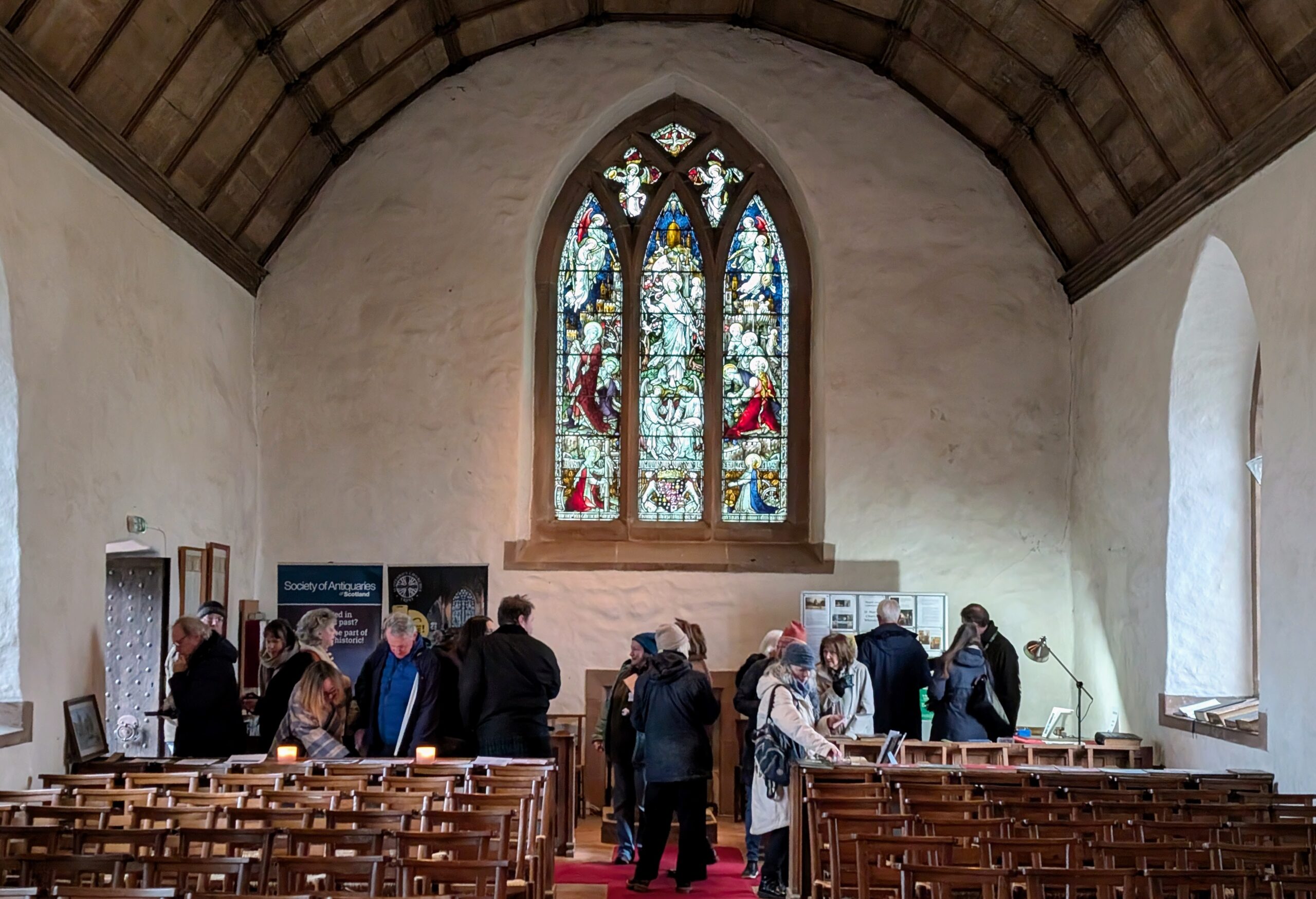
    Alongside this work, we are now organising our next pilot study, which will help us to refine our fieldwork approach and test elements of both the heritage recording methodology and our social value surveys. These pilot stages are an important part of ensuring our processes are robust, scalable and useful for the range of communities and buildings that we will be working with across Scotland.  

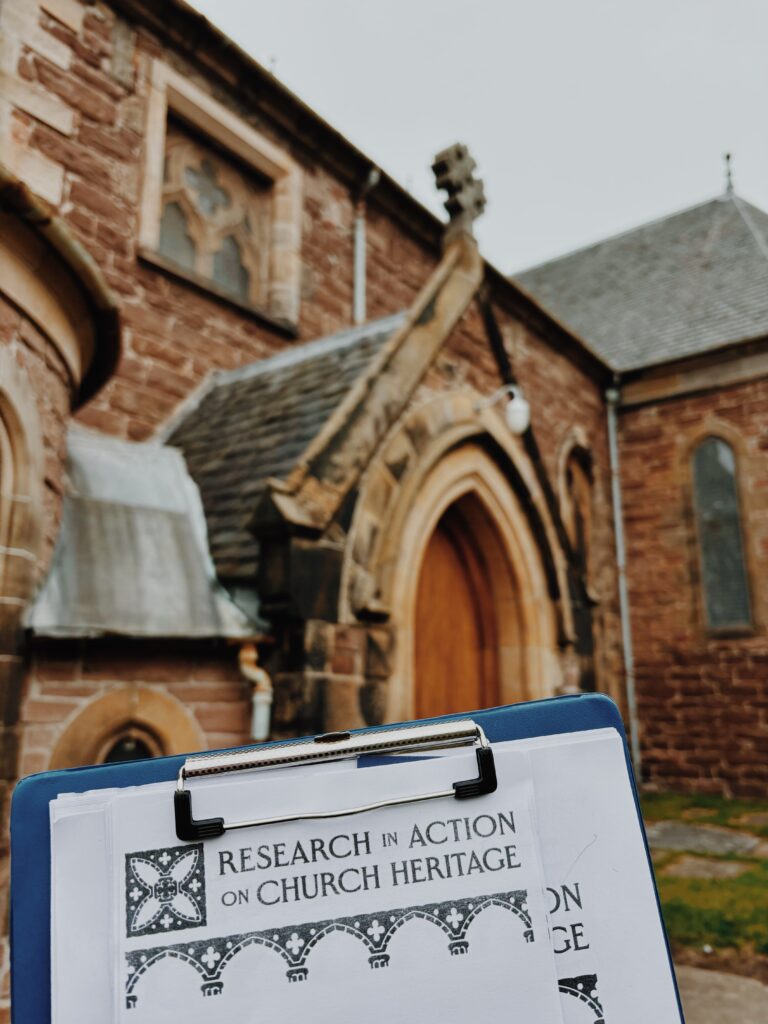
    photograph of clipboard with project logo in front of Old High Kirk

    Looking Ahead 

    In the months ahead, we will be continuing our fieldwork, expanding our data collection and developing the structure of the database. Updates will continue to be shared here on our website, as well as across our social media channels.  

    We’re also pleased to share that our first Heritage Action Group meeting will take place in January – date to be confirmed. This session will focus on early findings, opportunities for collaboration and ways that the group can help shape the development of the ReACH database and fieldwork priorities.  

    Full details and registration will be circulated shortly. 

    If you are working on Scotland’s church heritage and would like to connect with us – or if you have existing data that you’d be able to share – we would be delighted to hear from you! 

    Be sure to sign up to our Heritage Action Group Mailing List if your work touches upon church buildings, their contents, or their social and cultural value, and you’d like to be a part of our growing network.