
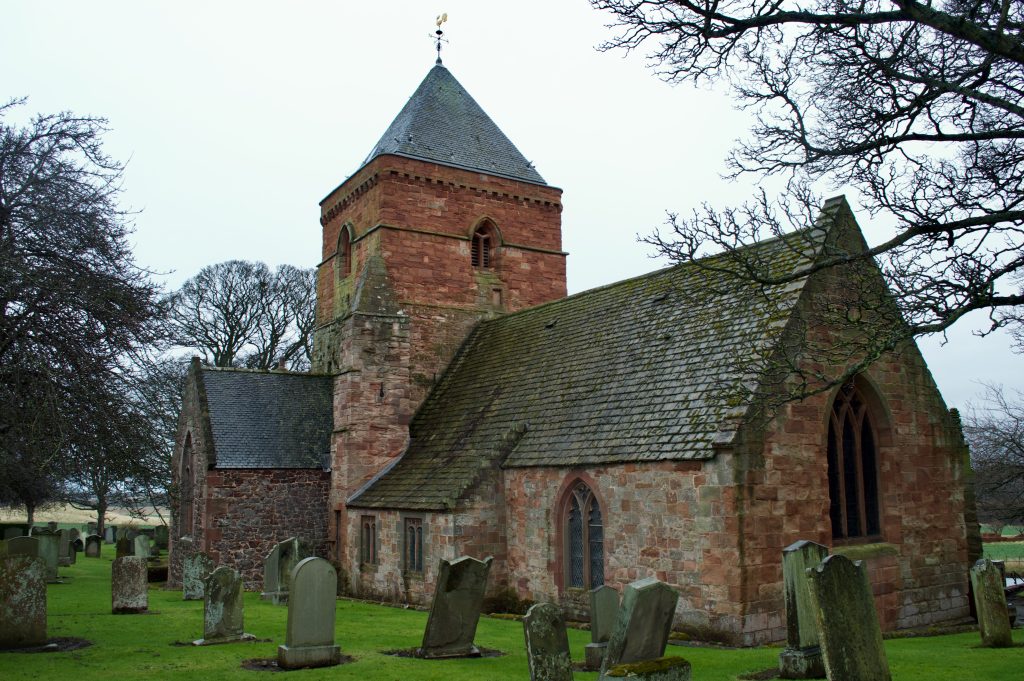
Case Study: ST Mary’s Whitekirk
Over the 6-7 February 2026, we worked with the Whitekirk New Life Trust at St Mary’s Whitekirk. The Friday focused on heritage recording with Scotland’s Churches Trust volunteers, allowing us to explore the building and better understand its history and character. On the Saturday, we hosted an open day which brought in over 200 visitors, where conversations with former congregation members, ministers and visitors helped build a deeper understanding of the church’s meaning within the community.
“The first time I came to the church, I almost wept with the beauty of the place”
-Oral History Participant
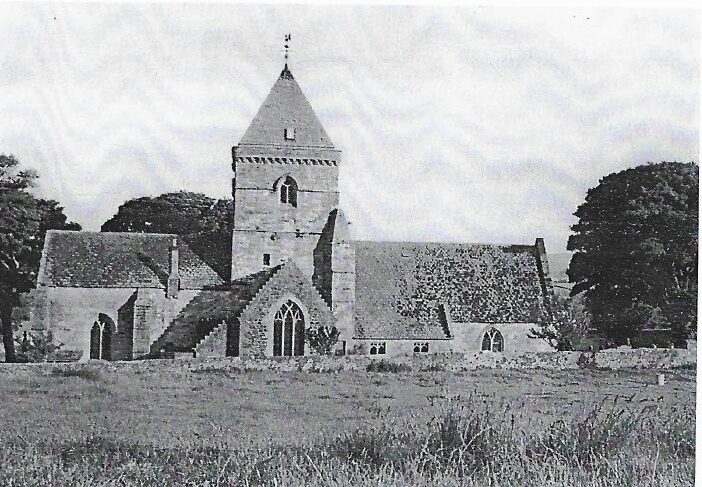
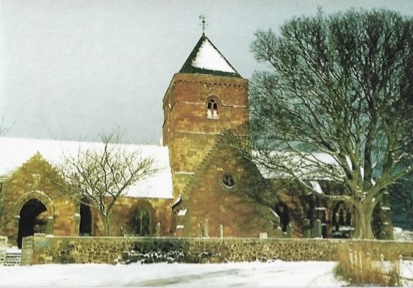
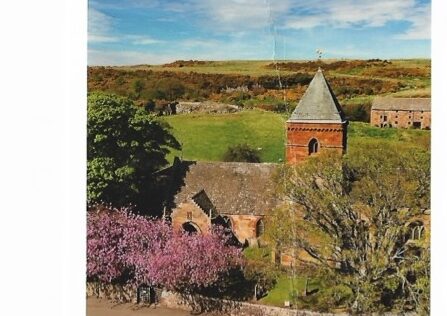
The history of St Mary’s
- Before 1128, a church known as Hamer, dedicated to the Virgin Mary, stood on this site. Between 1128 and 1136 its control and revenues were given to the canons of Holyrood Abbey by King David I.
- 14th century – The church became an important place of pilgrimage with its nearby holy well (which was believed to increase fertility) and a miraculous statue of the Virgin ‘decked with gold rings, necklaces, armlets and other ornaments’ (John of Fordun’s Chronicle of Scotland).
- February 1356 – English pirates raided the Lothian coast (part of Edward III’s ‘Burnt Candlemas’) and looted Whitekirk. The statue of the Virgin was broken and treasures of the church stolen. One pirate was reportedly killed by a falling crucifix in the church and the others drowned at sea in revenge for their blasphemy.
- 15th Century – St Mary’s at Whitekirk becomes one of Scotland’s most important pilgrimage site – 15,000 pilgrims reputedly visited in 1413.
- c.1430 – King James I builds houses for pilgrims at Whitekirk.
- 1435 – Visit by the future Pope Pius II, who had shipwrecked off the coast. He walked from Dunbar to St Mary’s (a journey of 10 miles) barefoot, to give thanks for his safe deliverance.
- 1439 Adam Hepburn of Hailes is said to have contributed to the rebuilding of Whitekirk.
- c.1470 – The present church building is begun. A papal indulgence of this date describes the money as going towards the church fabric. The arms of Abbot Crawford of Holyrood which appear on the east exterior of the church dates from this period.
- 1497 and 1505 – Visit by James IV, who left money for the local sick and poor.
- 1537 – Oliver Sinclair demolishes the pilgrim accommodation and uses the stones to build a tower near the church.
- 1560 – the Scottish Reformation. Whitekirk would have been ‘cleansed’ of its religious images and ornaments around this time.
- 1678 – John Blackadder, an eminent Presbyterian Covenanter preacher, held his final Conventicle on the hill behind the church before he was arrested.
- 1761 – Whitekirk becomes a parish church and many fine furnishings are added including lofts for local nobles.
- 19th century – restorations and repairs at Whitekirk, the south transept is rebuilt and a small north aisle is added.
- 1914 – The church is burnt, alleged to be an arson attack by the Suffragettes. The interior of the church was destroyed, with only the walls left standing. Burn marks from this incident are still visible on the north of the chancel.
- 1914 – 17 – Funds are quickly collected and the church is restored by Sir Robert Lorimer, a notable Scottish architect. Large parts of the church date from this time.
- 1916 – Karl Parsons created the windows in the north aisle.
- 2021 – The final service was held at St Mary’s, and the congregation into the new Parish of Traprain.
“It’s the atmosphere when you come in the door and you look at the whole length”
– Oral History Participant
Explore Whitekirk
Toggle through different views of Whitekirk and click on the hostpots to discover features and the stories attached to them
Notable Heritage Features
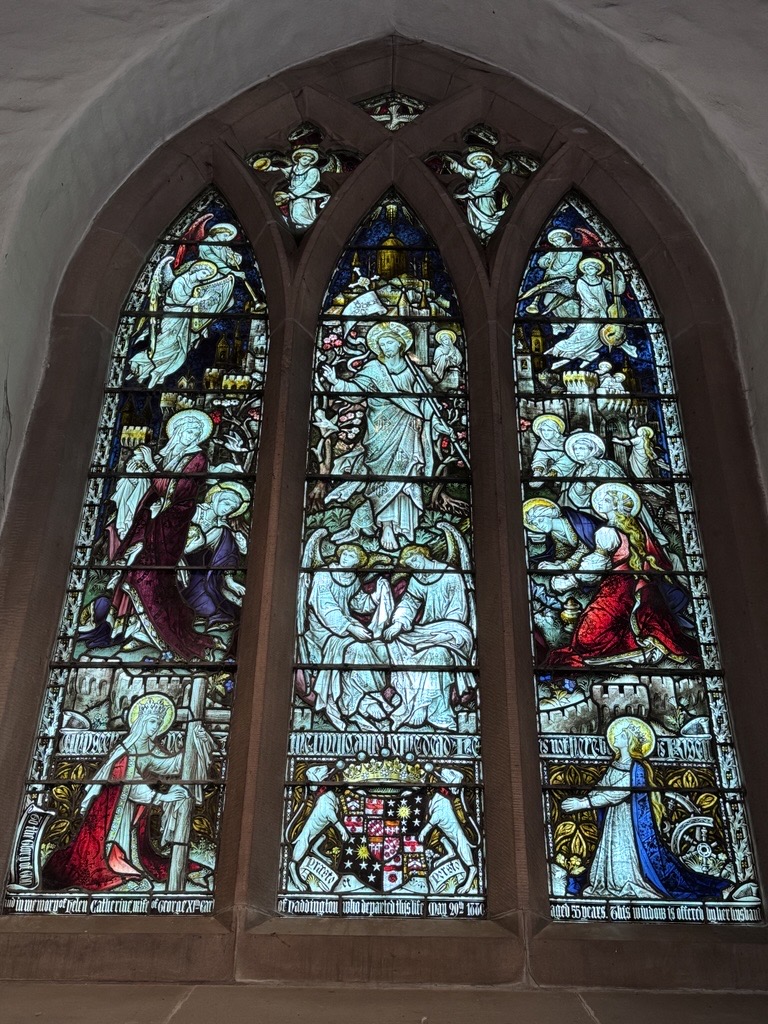
Memorial Stained Glass WIndow
John Hardman & Co created a replica of a Charles Eamer Kempe 1889 memorial window dedicated to Helen Catherine, wife of the 11th Earl of Haddington.
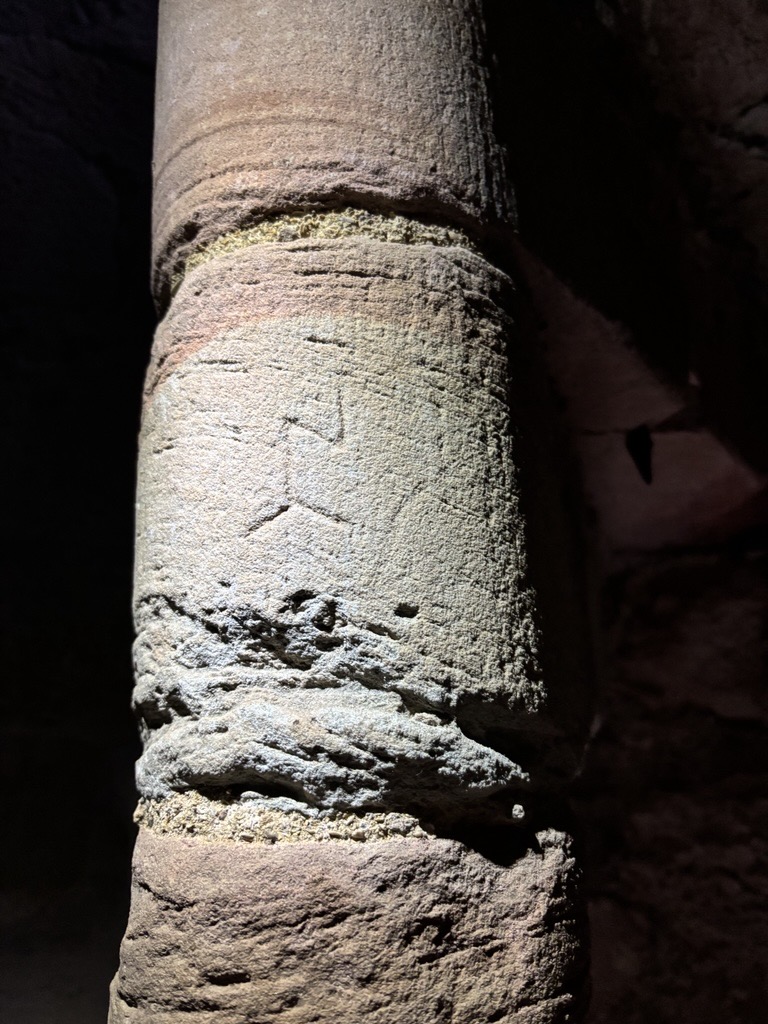
Masons’ Marks
These symbols, carved into the porch, chancel, and staircase to the central tower, are known as makers’ marks and are signatures left by stonemasons involved in the church’s construction in the late 15th century.
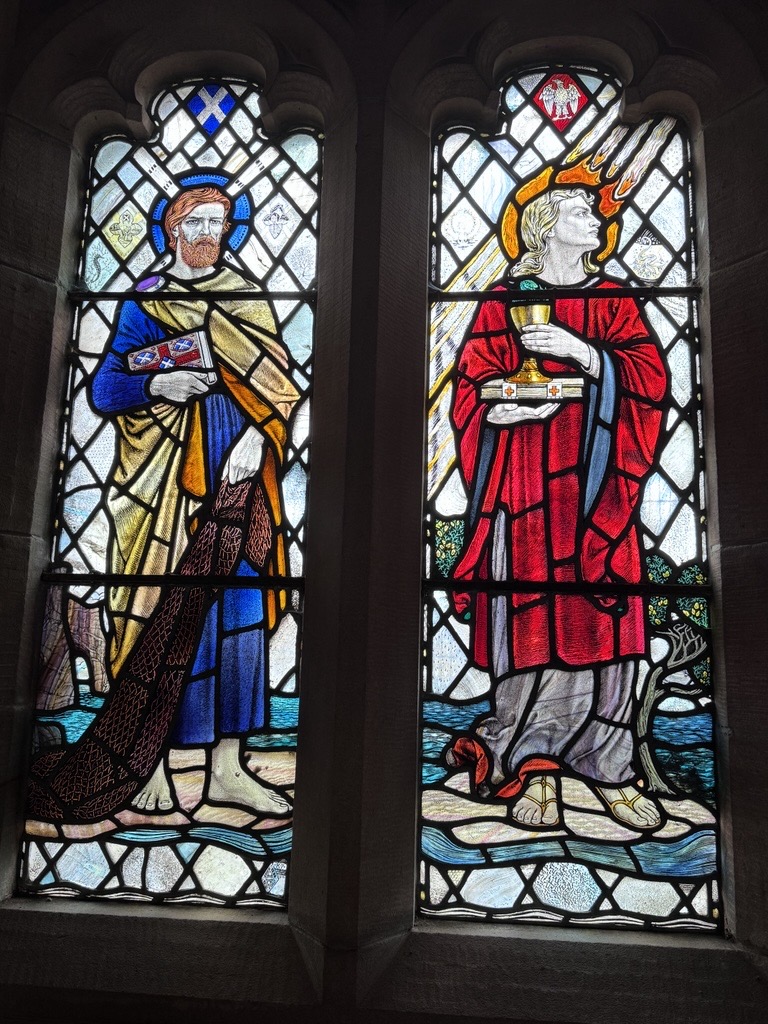
Karl Parsons Stained Glass Windows
Karl Parsons (notable Arts & Crafts artist) produced a series of windows in 1916 with St Andrew, St Mary, St John the Evangelist and St Luke the Evangelist. Notable details include a mermaid on Bass Rock and the miniscule inscription “If all were understood, all would be forgiven”
“This has been my lifesaver… the best thing I could have done was come here and just sit on the bench and just get things out”
– Oral History Participant
Notable Heritage Features
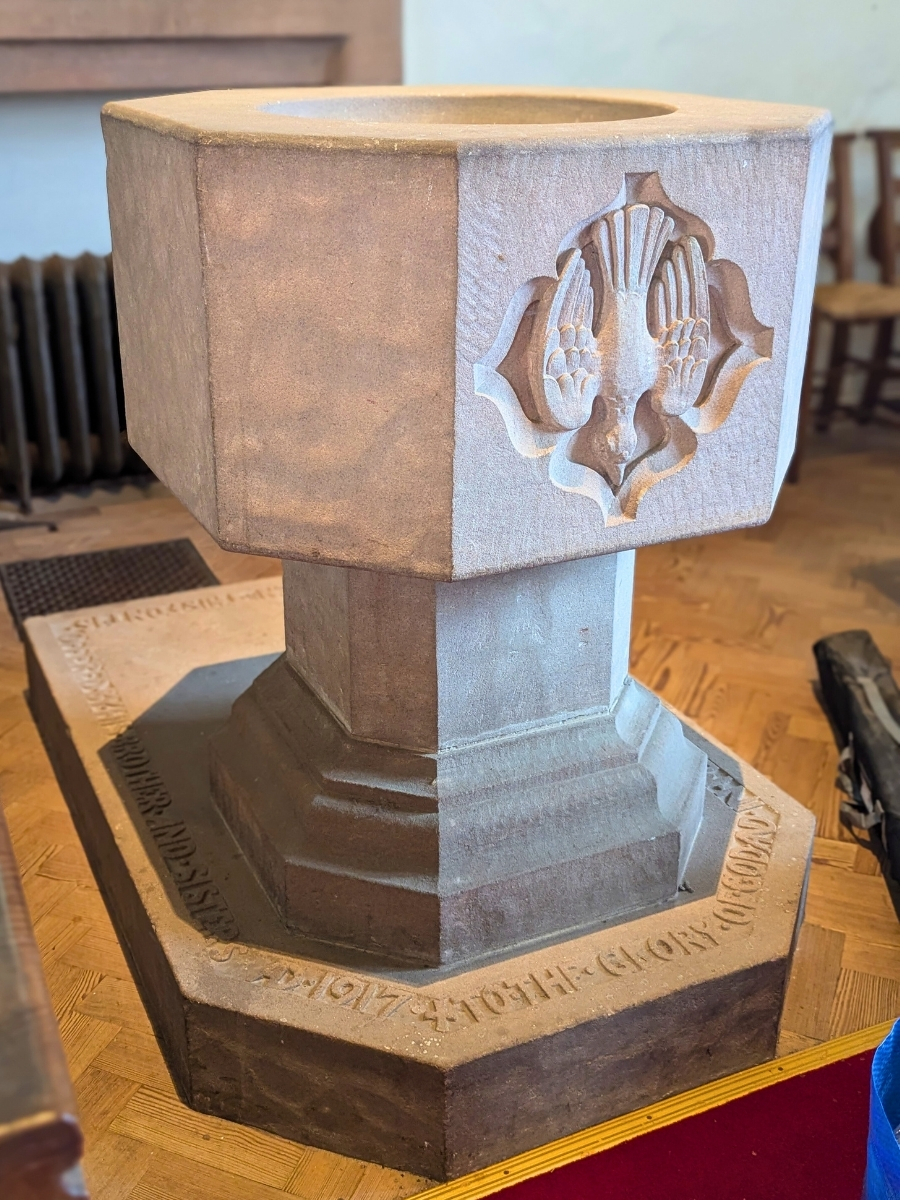
The Font
This carved stone font featuring a dove of the Holy Spirit was designed in a medieval-influenced Arts and Crafts style by architect Robert Lorimer.
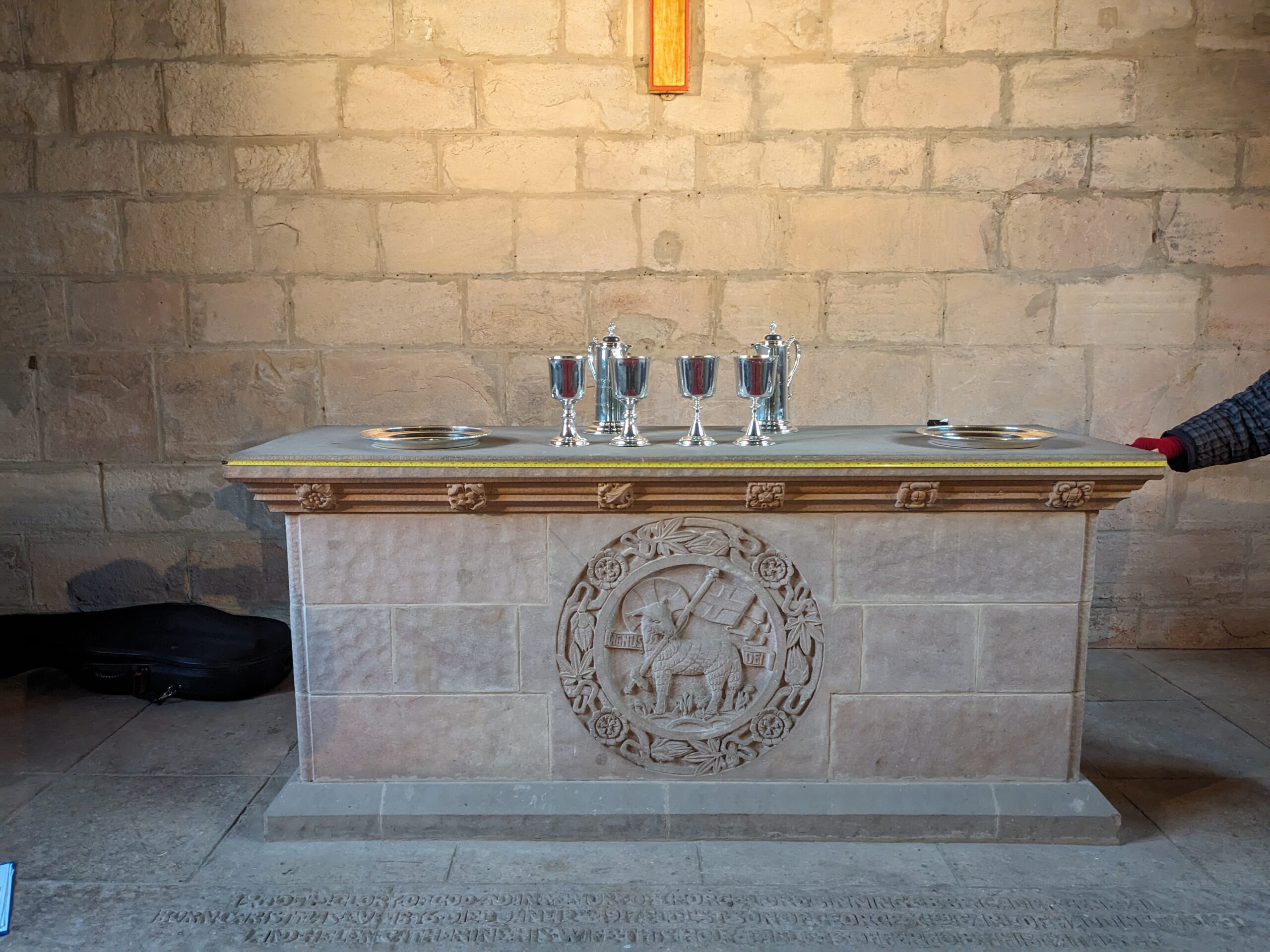
The Communion Table
The Communion Table was designed by Robert Lorimer. It is made from pink sandstone and features an image of the agnus Dei (Lamb of God) within a wreath of leaves and flowers.
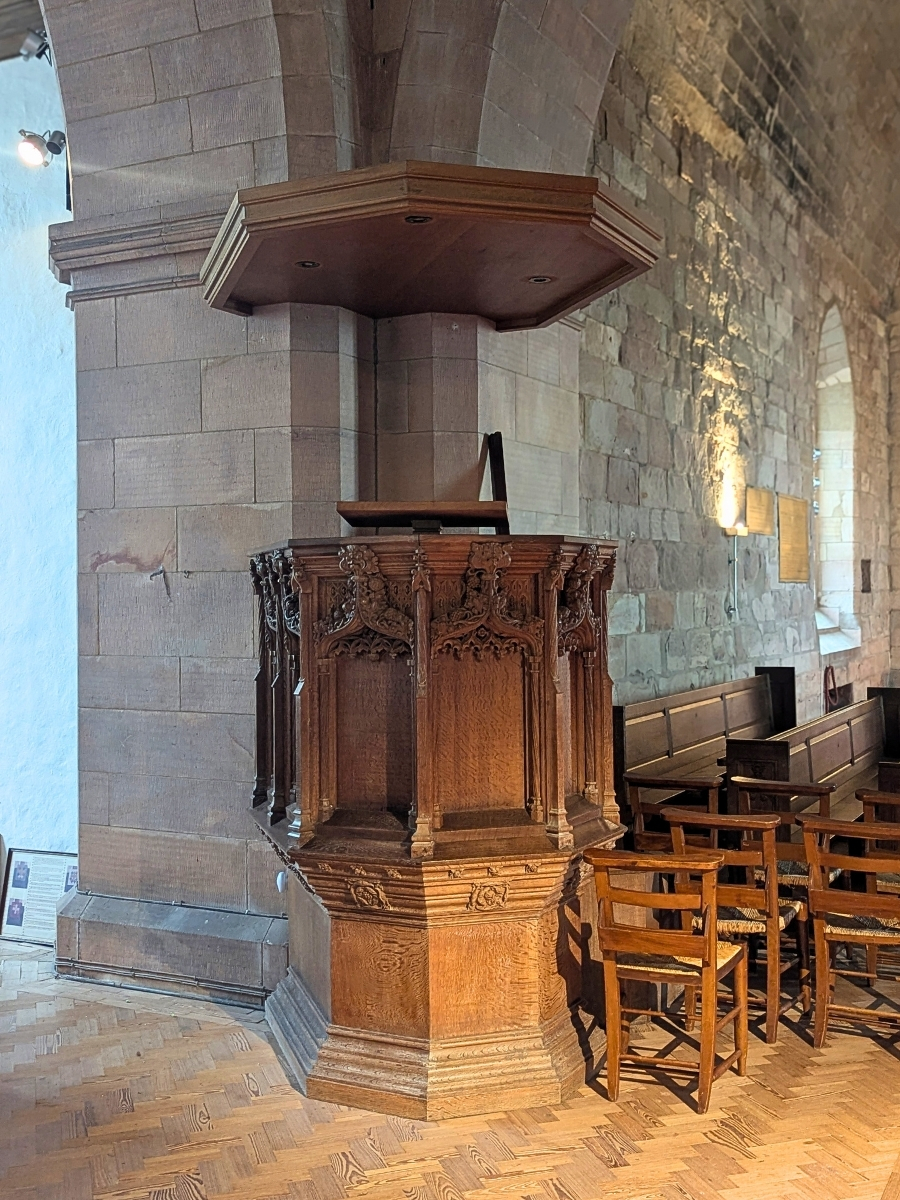
The Pulpit
The Pulpit was designed by Robert Lorimer.
Social Value surveys
Through oral histories, memory box contributions and conversations during the open day, we gathered a wide range of perspectives on what Whitekirk means to those connected to it. These responses reveal the church not only as a historic building, but as a place of memory, identity and community life.
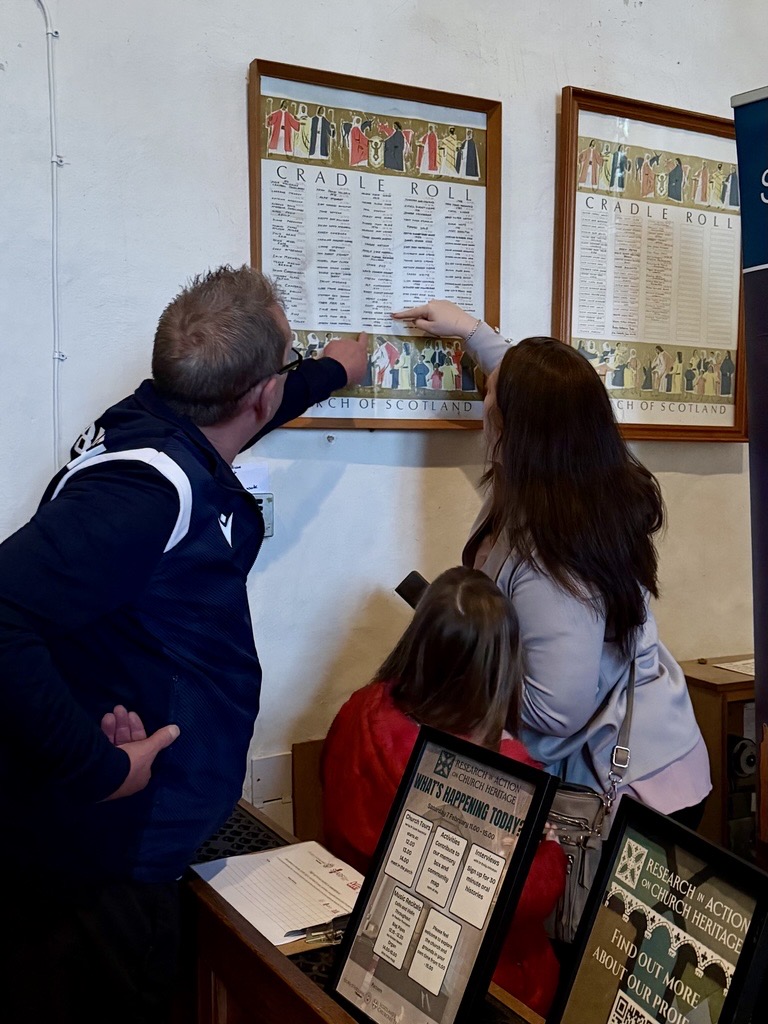
Explore the key themes from these discussions:
Community and Continuity
Whitekirk has long functioned as a centre of community life, supporting social interaction, shared activities and informal networks across generations.
“The church standing with its spire has remained quite a constant… but from a community point of view [the village], it’s changed”- Oral History Participant
Life Events and Family Connections
Many participants described deep, multi-generational ties to the church, marked by baptisms, weddings and funerals. These moments embed the building with personal and family histories.
“The moments of life I remember most clearly were the funerals of my loved parents” – Oral History Participant
Emotional and Spiritual Attachment
Participants frequently described feelings of peace, belonging and reflection associated with the church, highlighting its ongoing spiritual and emotional significance.
“This has been my lifesaver… just coming here and sitting on the bench” – Oral History Participant
Atmosphere and Experience of the Building
The sensory qualities of the church – its light, acoustics and spatial atmosphere – play a key role in how it is experience and remembered.
“It’s the atmosphere when you come in the door…” – Oral History Participant
Looking to the Future
Alongside memories of the past, participants expressed a strong interest in the future of the church, emphasising the importance of maintaining it as a community and cultural space.
All oral history participants provided informed consent for their contributions to be recordings and used in this project. Recordings and transcripts of the oral history interviews will shortly be deposited in accessible local archives.
Explore the Whitekirk memory box
Scroll through to see some of the collections of newspaper clippings and photographs shared with the project.
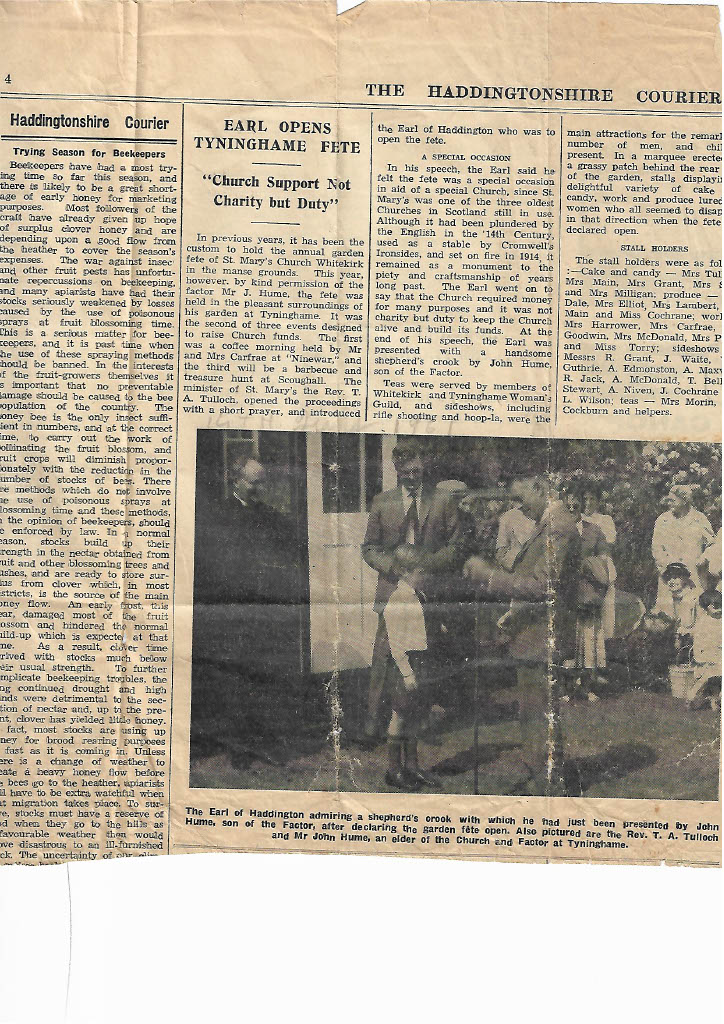
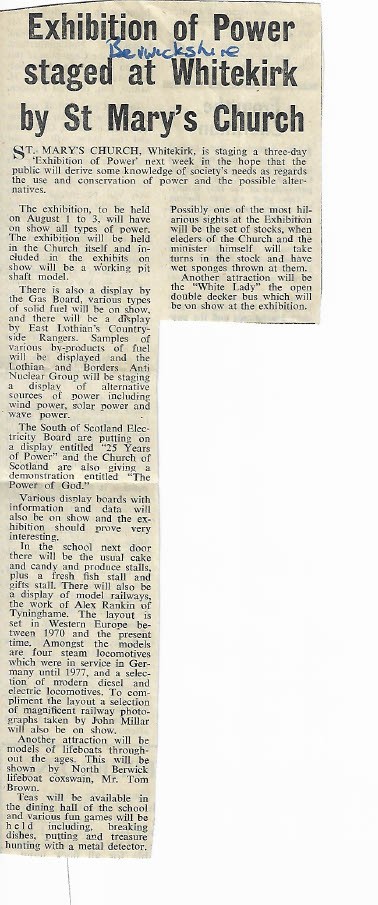
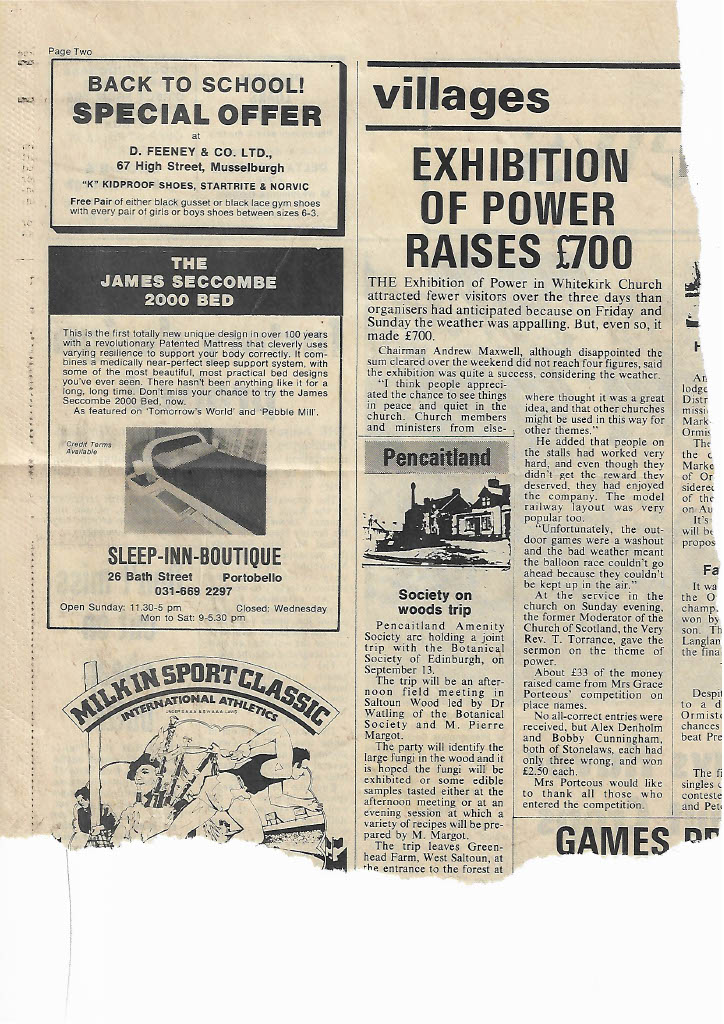
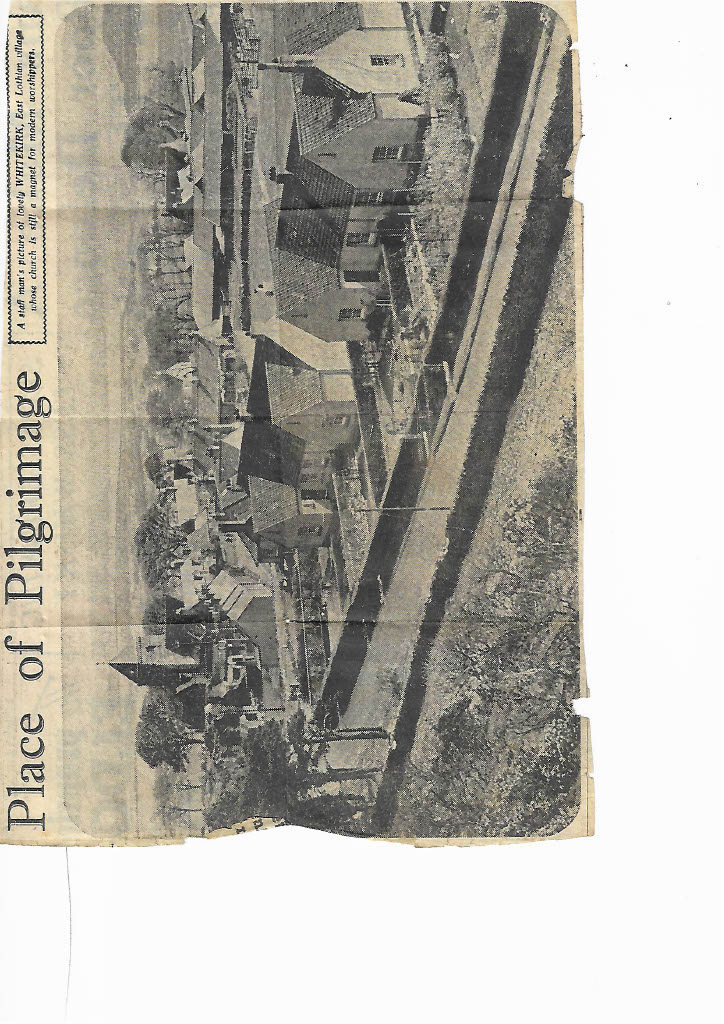
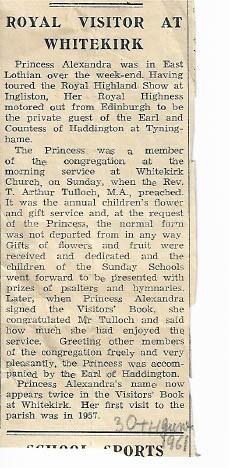
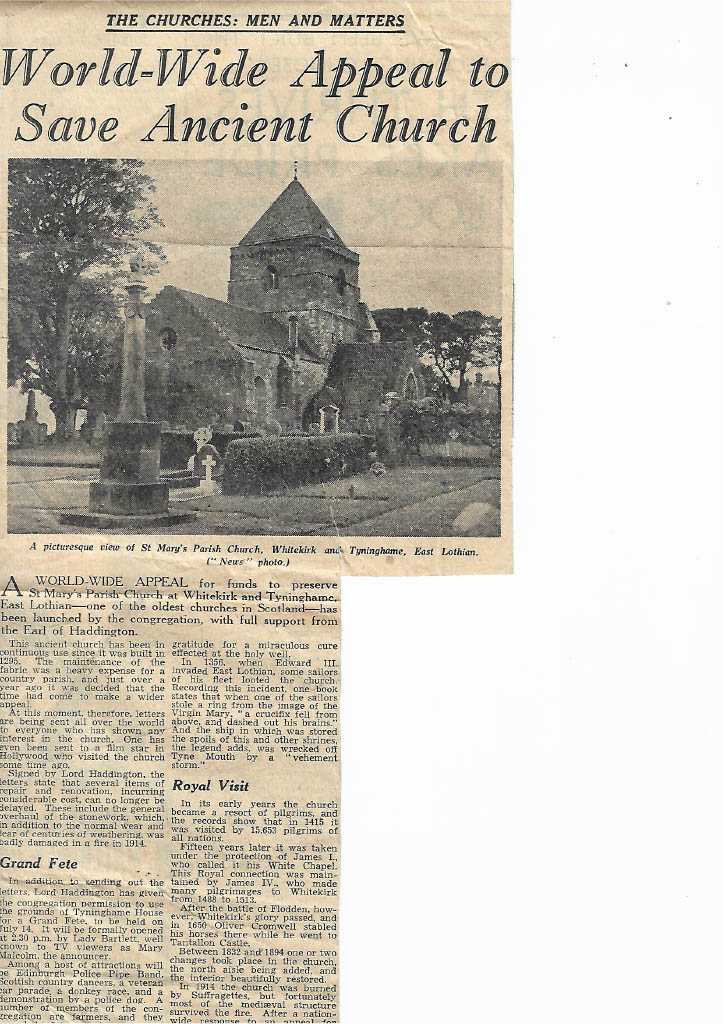
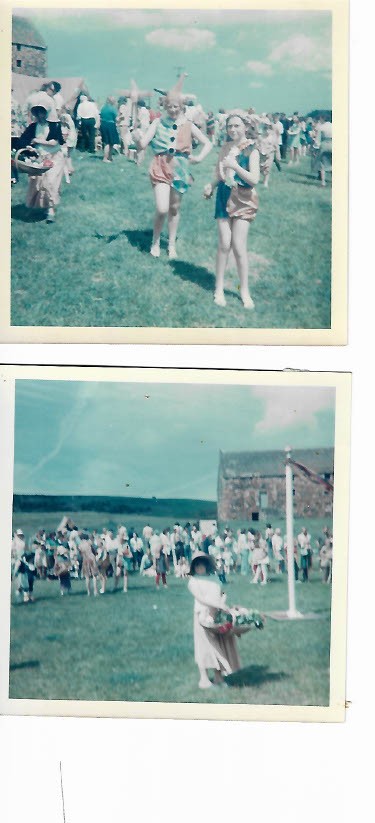
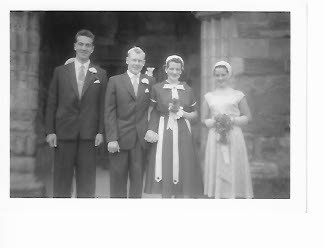
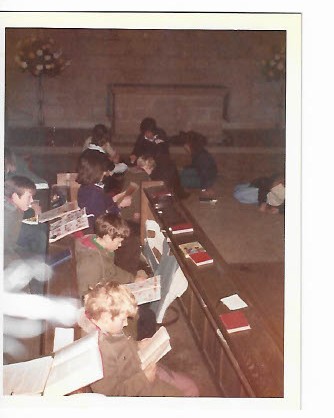
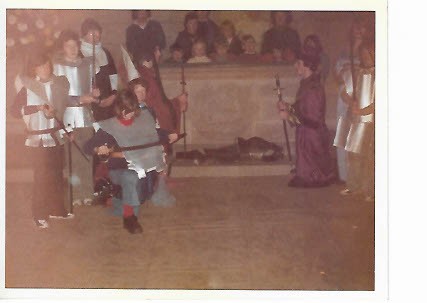
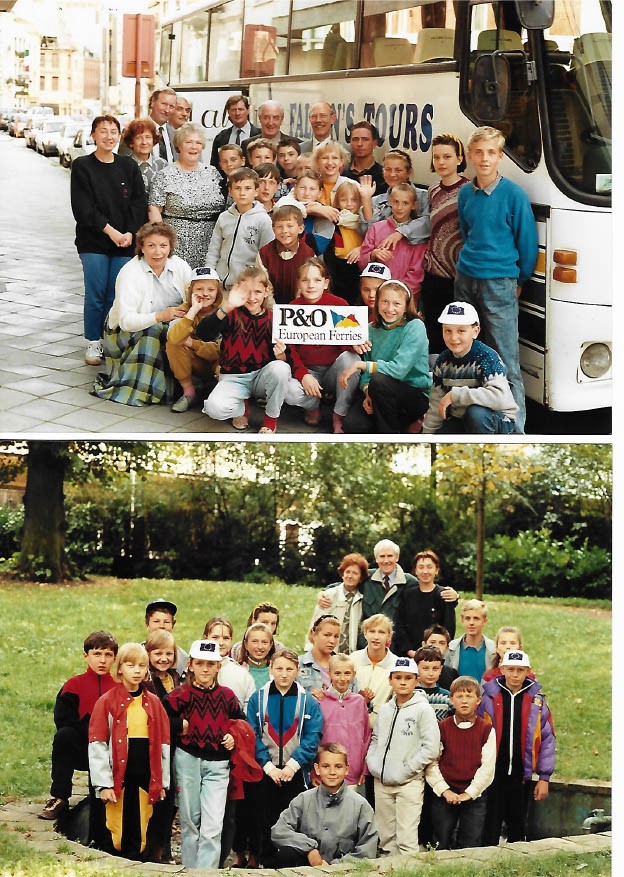
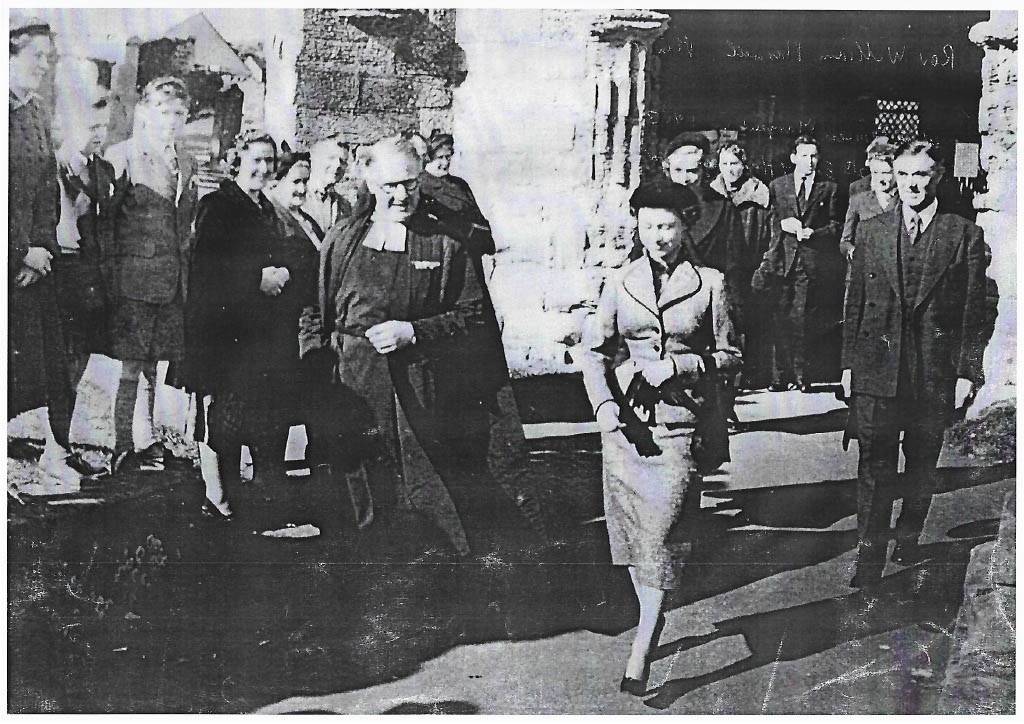
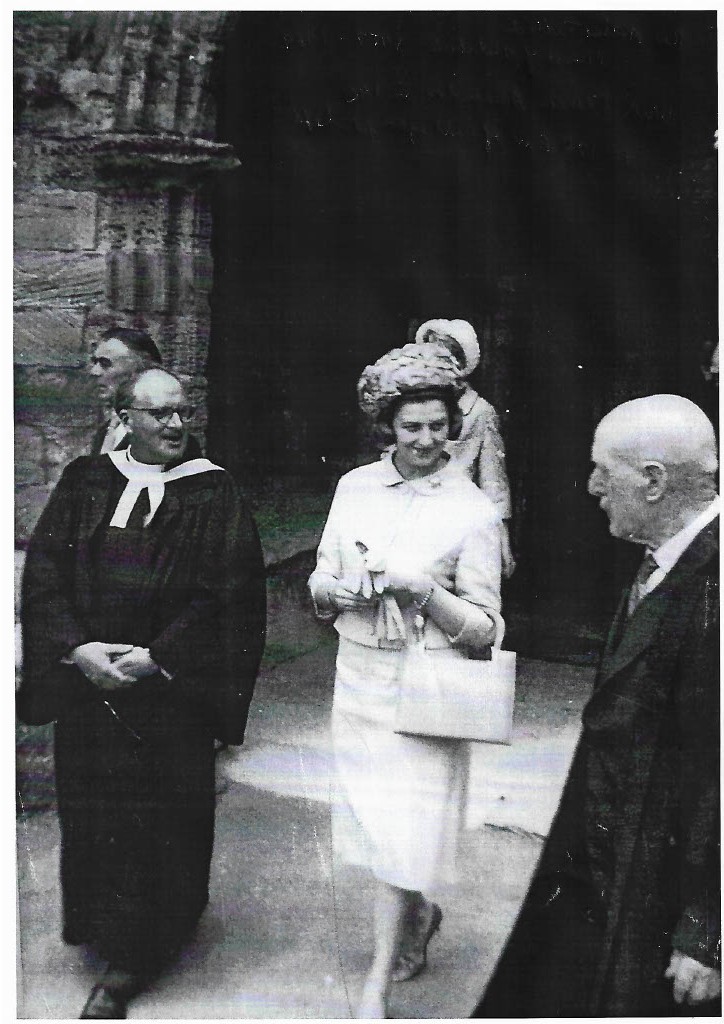
These materials were donated to the project at the open day. Scans of all materials are held by the project, in accordance with data handling, and the original materials will be returned to the Whitekirk New Life Trust.
“I came to church here as a kid….[My mum] used to come here. My aunts were married here. Cousins were christened here… Quite a lot of family history.”
-Oral History Participant