Tag: Update

  • A Place of Pilgrimage and Memory: Social Value at Whitekirk 

    A Place of Pilgrimage and Memory: Social Value at Whitekirk 

    On a dreary winter morning in East Lothian, the doors of St Mary’s Church, Whitekirk, were wide open, with bright flowers welcoming visitors in.  
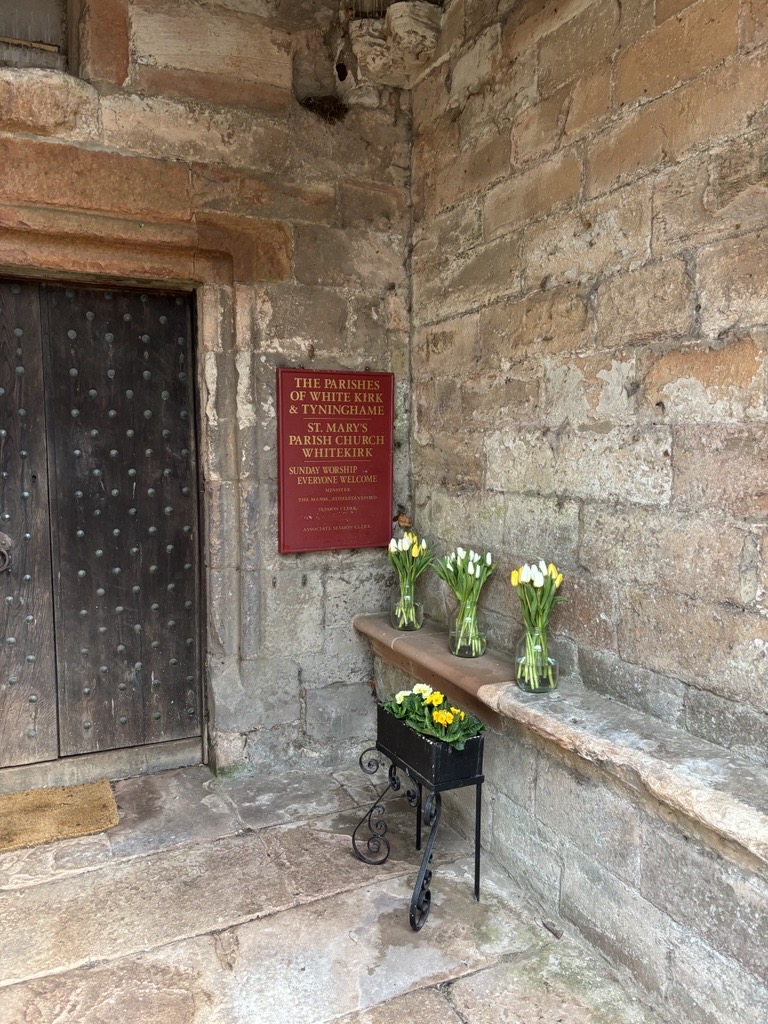
    Tulips at the doors of St Mary’s Whitekirk

    For centuries, St Mary’s has been a place that people have travelled to; once a medieval pilgrimage site dedicated to the Virgin Mary – famously visited barefoot by the future Pope Pius II -Whitekirk has drawn visitors seeking healing, prayer and connection. This sense of movement towards St Mary’s still continues today, and these stories of coming together at St Mary’s shone through in conversations with past congregation members and the local community.  
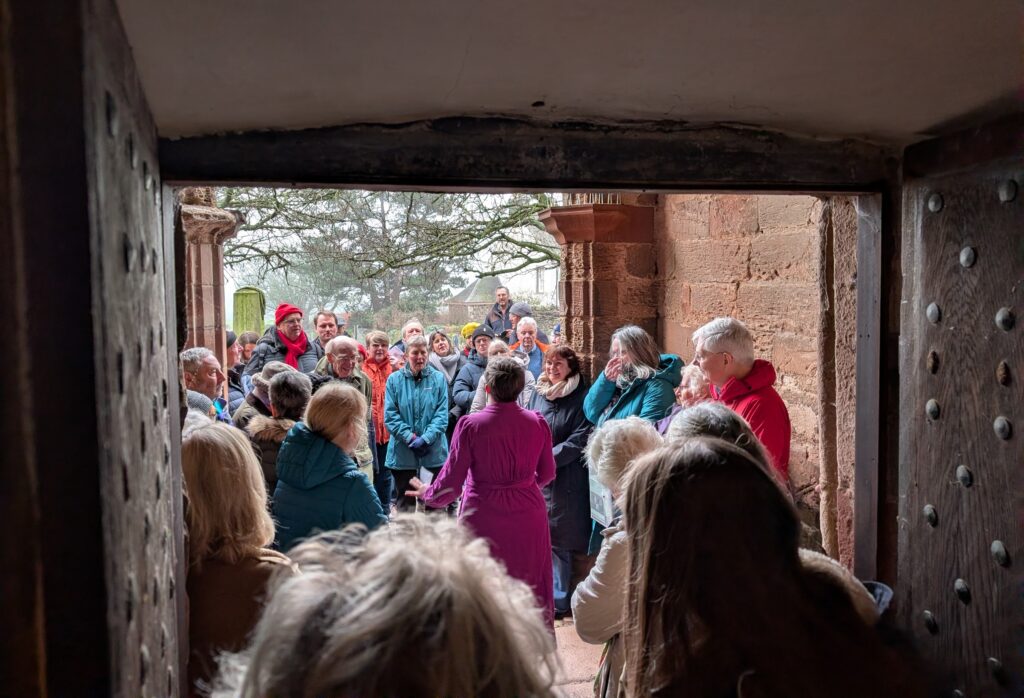
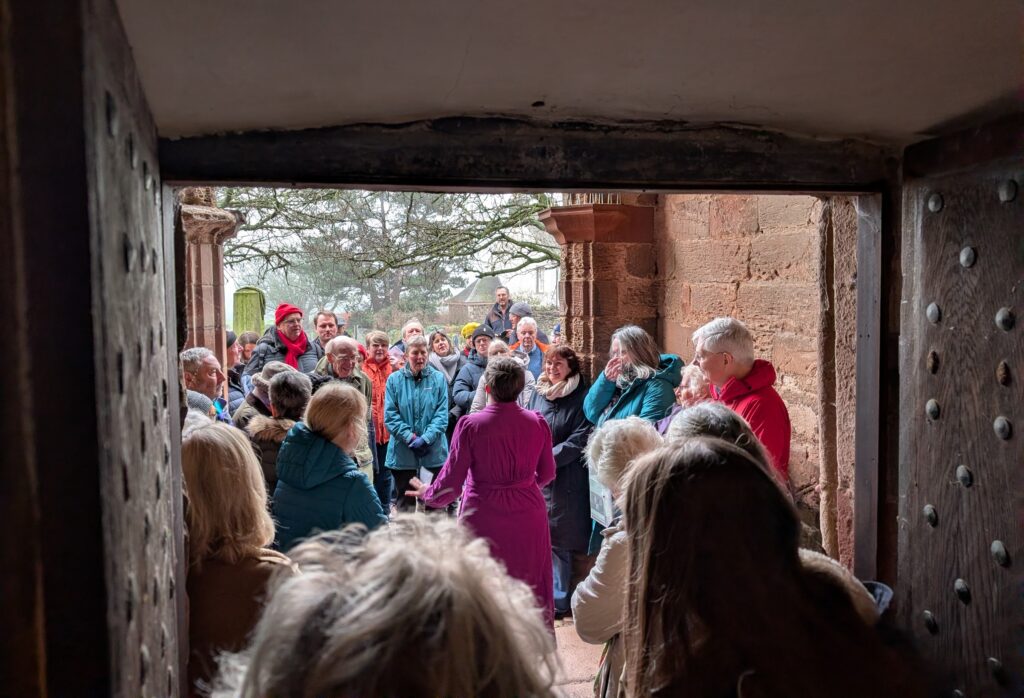
    Visitors to the ReACH open day, on a guided tour

    At the start of February, more than 200 people came through the doors of Whitekirk for our ReACH open day. Some arriving with stories ready to share: folders containing precious photographs, carefully folded newspaper clippings, old church newsletters and pamphlets. Others stepped inside for the first time, having passed the church countless times on the road, and curious to see what lay within.  

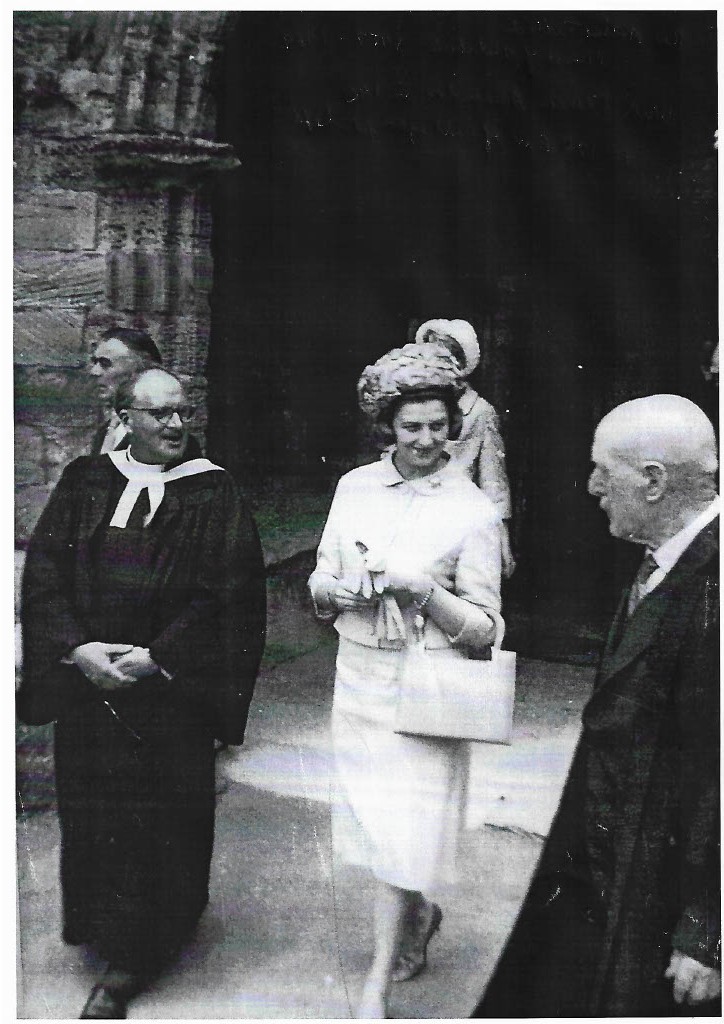
    Visitors shared wedding stories – walking down the aisle themselves or watching their loved ones standing at the altar as they sat in the front pews. Others remembered baptisms, holding their children at the font, and took the opportunity to find their names in the cradle roll. There were loud joyful stories of Christmas services where the church was filled with the collective voice of the congregation singing advent hymns, Sunday school crafts in preparation for the Spring fete. There were quiet stories, too, of reflection and stillness, candlelight glowing in the window on a snowy Christmas Eve, and funerals of loved ones.  
    For many, Whitekirk is woven into the fabric of family life. Children once acting mischievously in the rafters, capturing pigeons to sell on at school. Games of hide and seek amongst the gravestones and the thrill of ringing the bell in the tower. The regular seats where parents sat each Sunday, later occupied by their children, now grown. One visitor described the church as a ‘marker’ – a place holding life’s milestones.  

    More recent memories also filled the space. Admiration for the acoustics during the Lammermuir concerts and moments shared at the weekly prayer group. Underpinning many reflections was a sense of hope and curiosity about what may come next under the care of Whitekirk New Life Trust.  
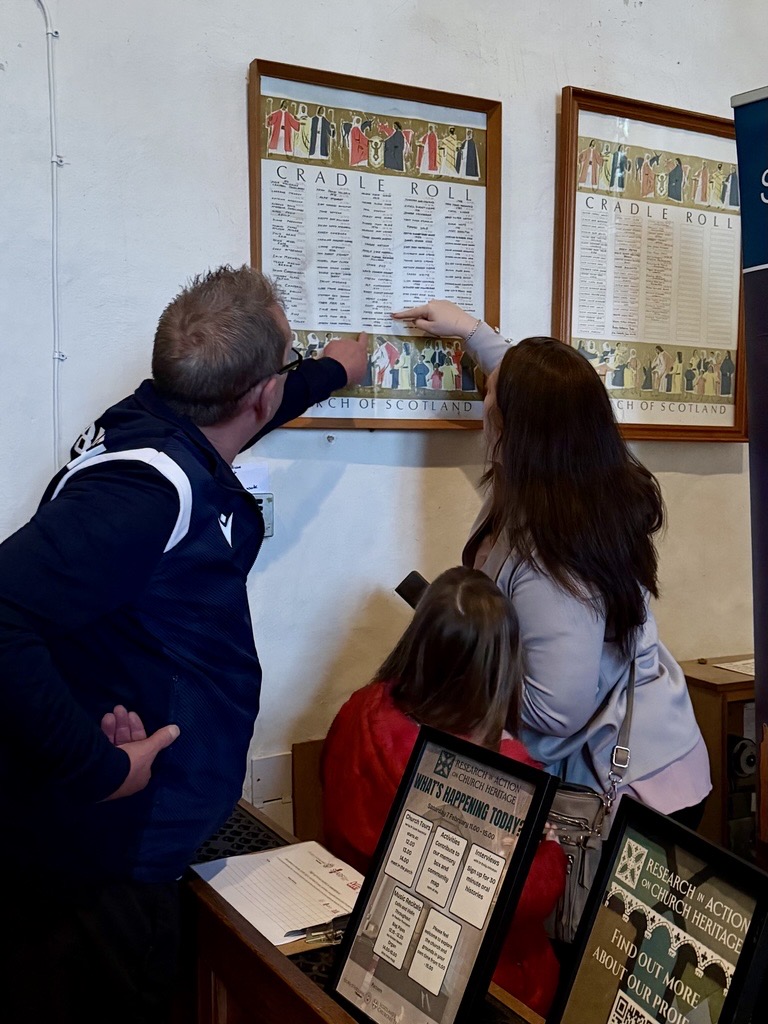
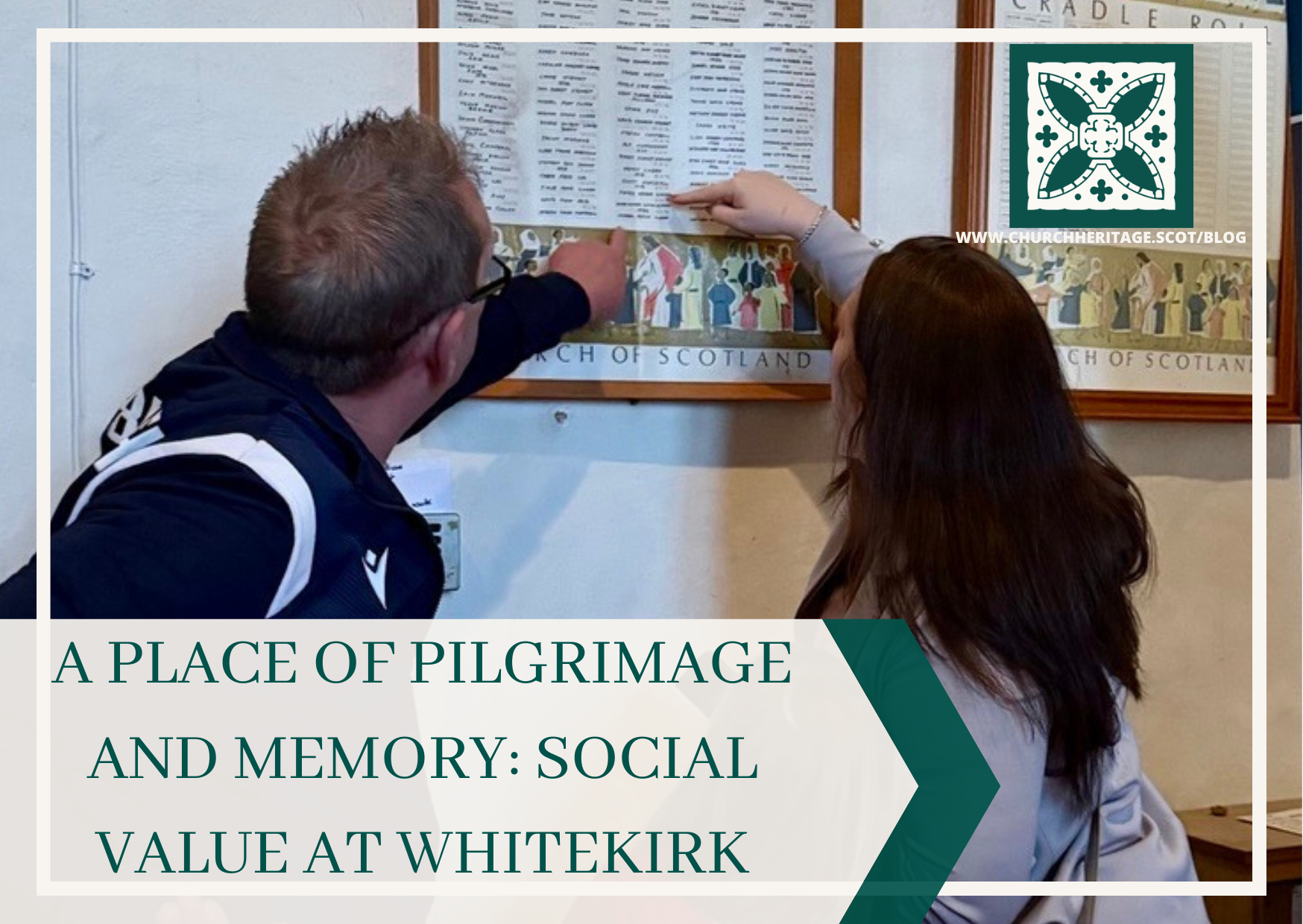
    two adults and a child pointing at a name on the cradle roll hanging from the wall
    Examining the Cradle Roll

    Through each of the stories, what struck me the most was the sense of continuity. Across generations, people have gravitated towards this church, seeking faith, family, music, memory or belonging.  Whilst the reasons may differ, the act of coming together at Whitekirk remains.  

    As churches across Scotland navigate change, these lived experiences remind us why they matter. The heritage recording can tell us one part of the story, and the people who have passed through the doors can tell us another. These experiences give the church building its identity.  
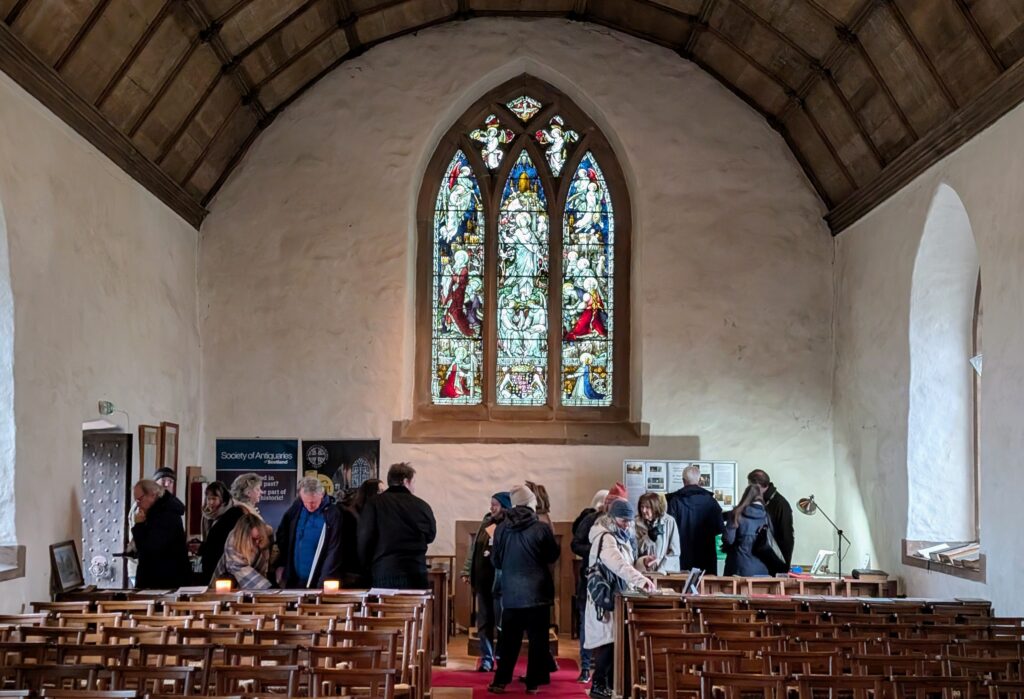
    crowds at the back of Whitekirk church
    Visitors to Whitekirk

    The Whitekirk New Life Trust are working to secure the future of St Mary’s as a place of worship and community gathering. We are hugely grateful to the Whitekirk New Life Trust for their support, generosity and collaboration in making our research possible. Their team helped to facilitate the day, welcomed visitors and even provided delicious baked goods so that we could continue conversations over tea and cake. 

    On that grey February morning, the church was, once again, what it always has been: a place that people come to and will carry with them long after they leave.  

    You can now explore material from the Whitekirk case study on our dedicated case study page, including heritage highlights, oral history excerpts and a new interactive gallery bringing together memories and heritage from across the church. 


    Written by Dr Emily Johnston, Community Officer for Research in Action on Church Heritage
  • ReACH Update: Connecting People, Data and Heritage 

    ReACH Update: Connecting People, Data and Heritage 

    Throughout our work on this project, one thing that has become particularly clear is that ReACH is not a standalone project, but part of a wider network of people, projects and knowledge already shaping how we understand church heritage. 

    This is an active and ongoing conversation which is shaped by people, particularly those who care deeply about Scotland’s churches and willing to share their knowledge, time and experience to help think about what comes next. 

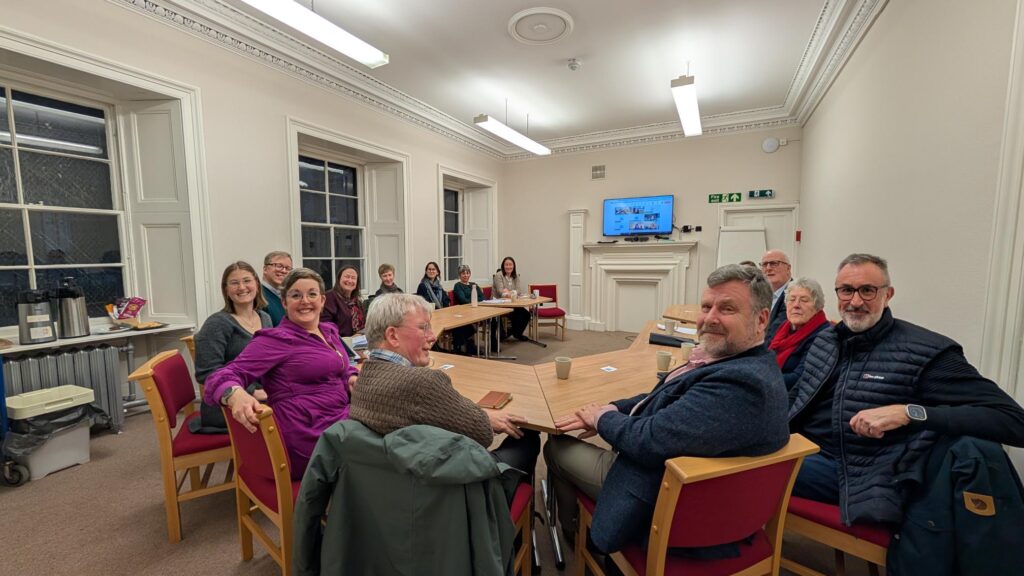
    In January, we held a Heritage Action Group meeting, focussing on this theme of collaboration. What stood out wasn’t just the range of expertise in the room (both online and in person) but the openness of the discussion. Those who attended spoke honestly about the challenges around data and resources, and how we support communities facing difficult decisions about their buildings. Alongside this was a real willingness to work together. 

    Within the sector, there is a shared recognition that no single organisation can tackle this issue alone. But together, there is an extraordinary depth of knowledge and a genuine desire to make it more connected and accessible. 

    This sense of collaboration has been central to our work on the ReACH database. Behind the scenes, we’ve been thinking carefully about what it means to bring together information on church heritage at a national scale. Rather than starting from scratch, we are building something that reflects what already exists by linking to datasets, drawing together research and creating a space where different kinds of knowledge can sit alongside one another. 

    Our conversations with researchers, organisations and practitioners have been reflected this desire to collaborate across the sector and to ensure that work already done is not lost but, instead, becomes part of something wider. 

    This same sense of connection came to life in a different way at our recent open day at St Mary’s Church, Whitekirk. 

    Across the day, more than 200 people came through the doors. We carefully recorded the fabric and contents of the building alongside volunteer church recorders from Scotland’s Churches Trust. Visitors shared memories and stories, and throughout the day there were moments of laughter and reflection. We are hugely grateful to Whitekirk New Life Trust for their generosity in hosting the day, and to everyone who contributed to it.  

    This collaborative approach continues beyond our own events – this Saturday (28th of March) we’ll be at Crail Kirk for their open day, where Dr Lizzie Swarbrick will be leading a talk and tour as part of the programme.

    As the project continues, this collaborative approach will remain at the forefront. Through the Heritage Action Group and the development of the database, as well as our work with communities. Our aim is to reflect the many ways that people value and understand church heritage. 

    If you are working in this area, holding data and researching church heritage, or interested in being part of these discussions, we would love to hear from you – email us at churches@socantscot.org


    If you’d like to receive quarterly updates via email, as well as other project news, sign up to our newsletter!

  • ReACH Autumn Update

    ReACH Autumn Update

    As we move further into the autumn months, the ReACH team has been continuing to build momentum across our research strands. As well as making progress on our data collection, the past few weeks have also offered valuable opportunities to connect with others working in church heritage across the UK.  

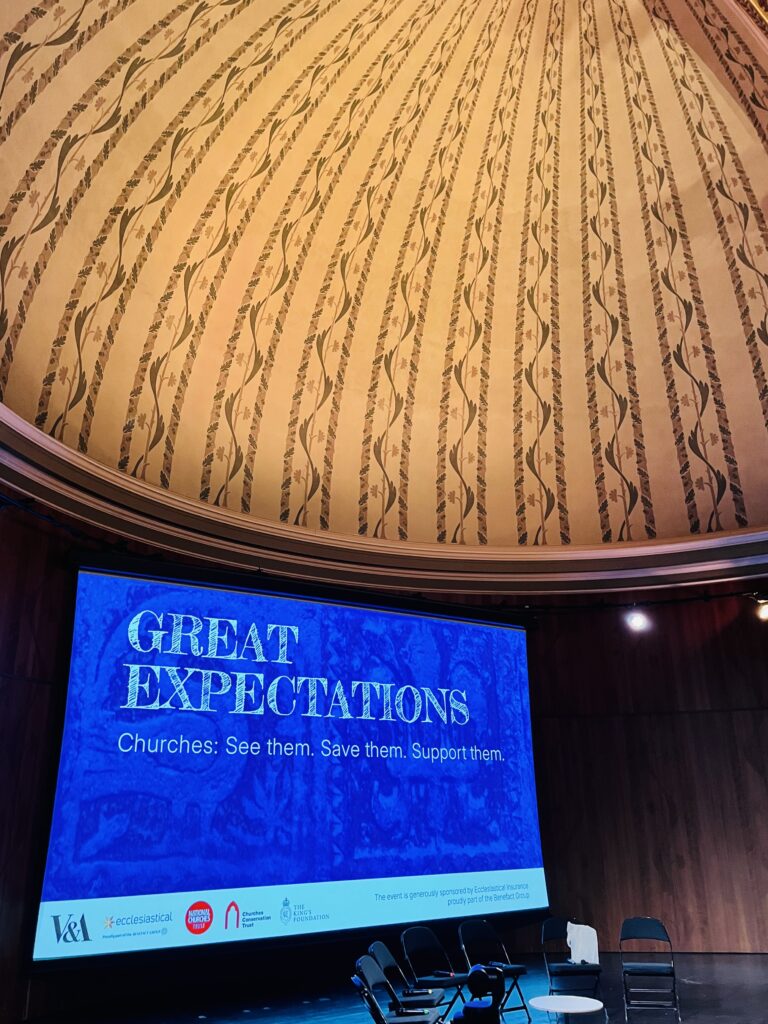
    Reflections from the V&A’s Great Expectations Conference 

    Earlier this month, Lizzie attended the V&A’s Great Expectations: Working with Historic Places of Worship conference in London, with Emily and Helen joining the event online. The day brought together a broad range of voices, from heritage professionals, people working within faith communities, and even some familiar public figures like Hugh Dennis and Rob Rinder, who all reflected on the challenges and opportunities facing historic churches today.  

    Much of the discussion echoed themes at the heart of ReACH, including the necessity to understand churches as not only architectural landmarks, but also as places which are layered with memory, meaning and community identity. Many of the speakers shared personal stories and lived experiences which have shaped their connections to these buildings, emphasising that communities lie central to conversations about their future.  

    It was encouraging to see an alignment with our project aims, and to situate Scotland’s challenges within this wider UK context.  

    Sharing ReACH at the Historic Religious Buildings Alliance 

    Following on from her attendance at the V&A event, Lizzie also recently spoke at the Historic Religious Buildings Alliance (HRBA), which introduced the project to a new audience of practitioners, researchers and heritage professionals. The session also generated valuable contacts and potential collaborators, which we look forward to developing as the project progresses.  

    Progress on Data Collection  

    Our data collection work continues steadily, and we are currently gathering and consolidating information from national heritage records, archival surveys and church inventories, specialist databases and existing reports (such as those generated by Scotland’s Churches Trust Church Recording Project) and academic research.  

    This process is helping us to map both the existing knowledge base, as well as the gaps that still need to be explored. This is a critical stage as we begin to shape the structure of our database, which will be publicly accessible and will bring together tangible and intangible heritage information in a single, open resource.  

    We have also begun engaging with organisations and individuals across the sector to explore data-sharing collaborations. Many people have undertaken excellent recording work in specific areas of church heritage and we aim to bring these efforts together, in order to strengthen the overall picture.  

    Preparing Our Next Pilot Study 

    Alongside this work, we are now organising our next pilot study, which will help us to refine our fieldwork approach and test elements of both the heritage recording methodology and our social value surveys. These pilot stages are an important part of ensuring our processes are robust, scalable and useful for the range of communities and buildings that we will be working with across Scotland.  

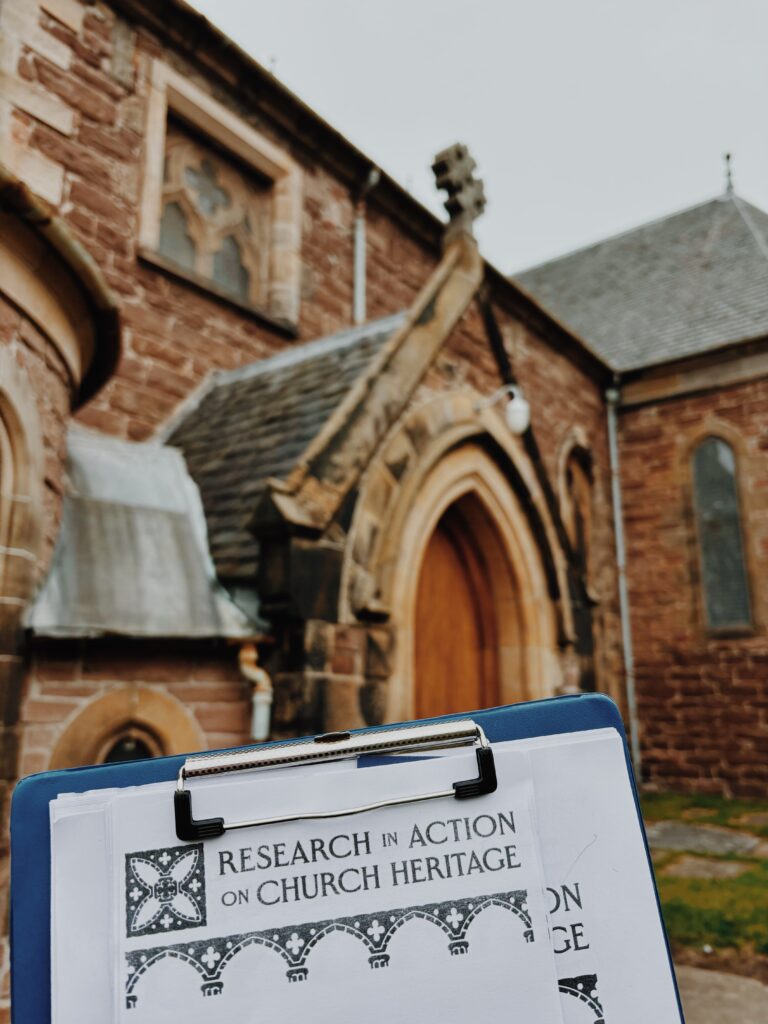
    photograph of clipboard with project logo in front of Old High Kirk

    Looking Ahead 

    In the months ahead, we will be continuing our fieldwork, expanding our data collection and developing the structure of the database. Updates will continue to be shared here on our website, as well as across our social media channels.  

    We’re also pleased to share that our first Heritage Action Group meeting will take place in January – date to be confirmed. This session will focus on early findings, opportunities for collaboration and ways that the group can help shape the development of the ReACH database and fieldwork priorities.  

    Full details and registration will be circulated shortly. 

    If you are working on Scotland’s church heritage and would like to connect with us – or if you have existing data that you’d be able to share – we would be delighted to hear from you! 

    Be sure to sign up to our Heritage Action Group Mailing List if your work touches upon church buildings, their contents, or their social and cultural value, and you’d like to be a part of our growing network.