
Throughout our work on this project, one thing that has become particularly clear is that ReACH is not a standalone project, but part of a wider network of people, projects and knowledge already shaping how we understand church heritage.
This is an active and ongoing conversation which is shaped by people, particularly those who care deeply about Scotland’s churches and willing to share their knowledge, time and experience to help think about what comes next.
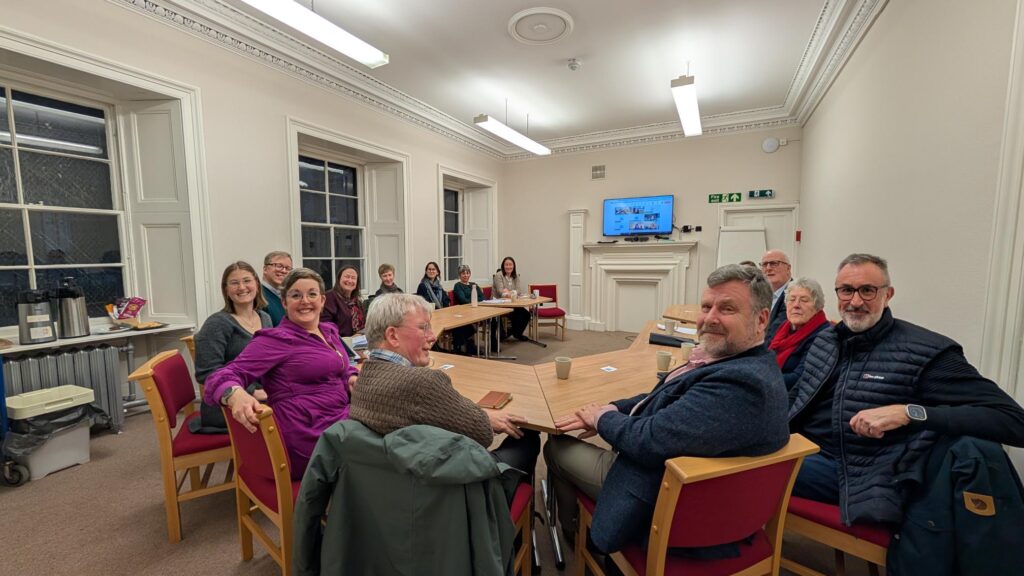
In January, we held a Heritage Action Group meeting, focussing on this theme of collaboration. What stood out wasn’t just the range of expertise in the room (both online and in person) but the openness of the discussion. Those who attended spoke honestly about the challenges around data and resources, and how we support communities facing difficult decisions about their buildings. Alongside this was a real willingness to work together.
Within the sector, there is a shared recognition that no single organisation can tackle this issue alone. But together, there is an extraordinary depth of knowledge and a genuine desire to make it more connected and accessible.
This sense of collaboration has been central to our work on the ReACH database. Behind the scenes, we’ve been thinking carefully about what it means to bring together information on church heritage at a national scale. Rather than starting from scratch, we are building something that reflects what already exists by linking to datasets, drawing together research and creating a space where different kinds of knowledge can sit alongside one another.
Our conversations with researchers, organisations and practitioners have been reflected this desire to collaborate across the sector and to ensure that work already done is not lost but, instead, becomes part of something wider.
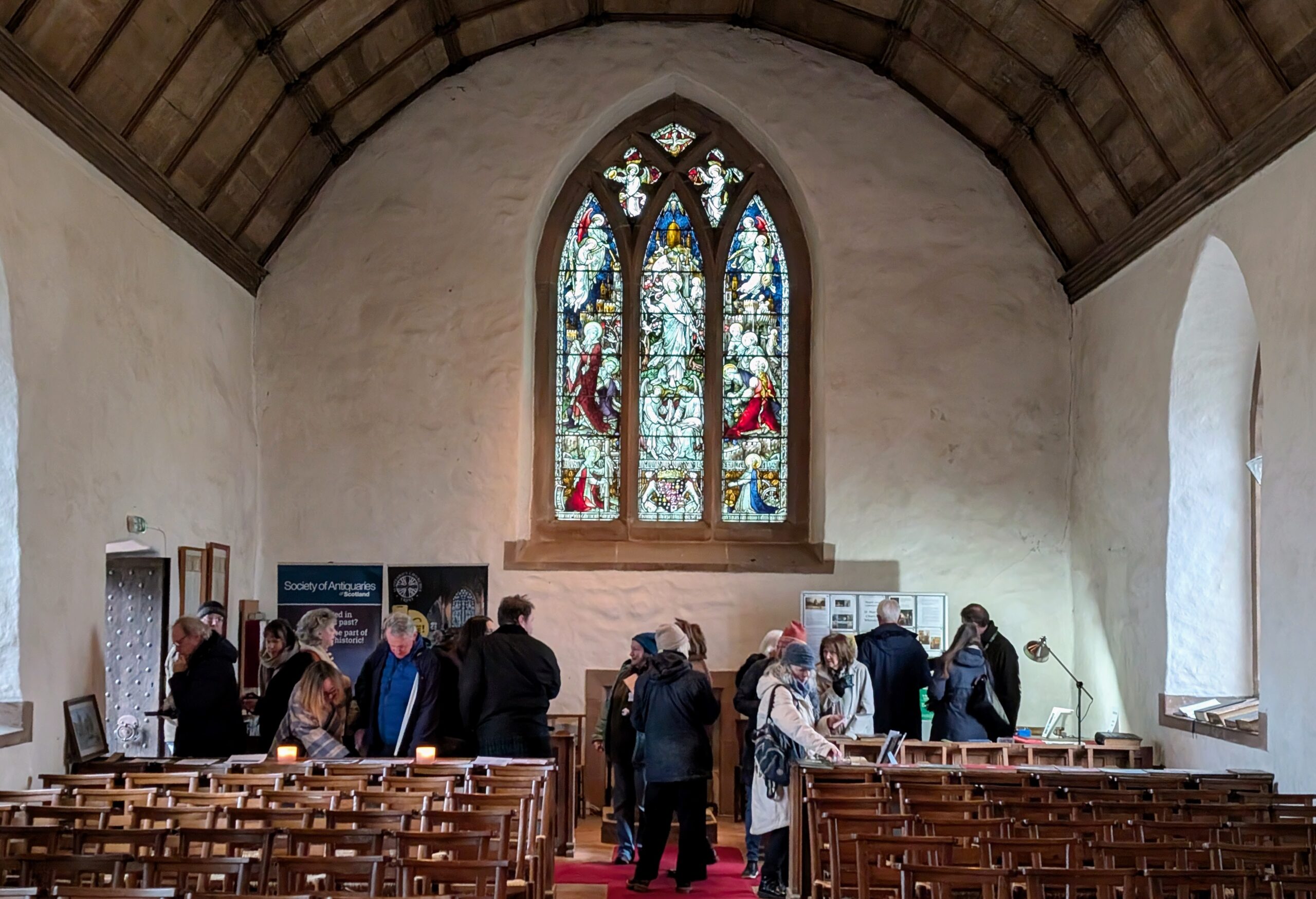
This same sense of connection came to life in a different way at our recent open day at St Mary’s Church, Whitekirk.
Across the day, more than 200 people came through the doors. We carefully recorded the fabric and contents of the building alongside volunteer church recorders from Scotland’s Churches Trust. Visitors shared memories and stories, and throughout the day there were moments of laughter and reflection. We are hugely grateful to Whitekirk New Life Trust for their generosity in hosting the day, and to everyone who contributed to it.
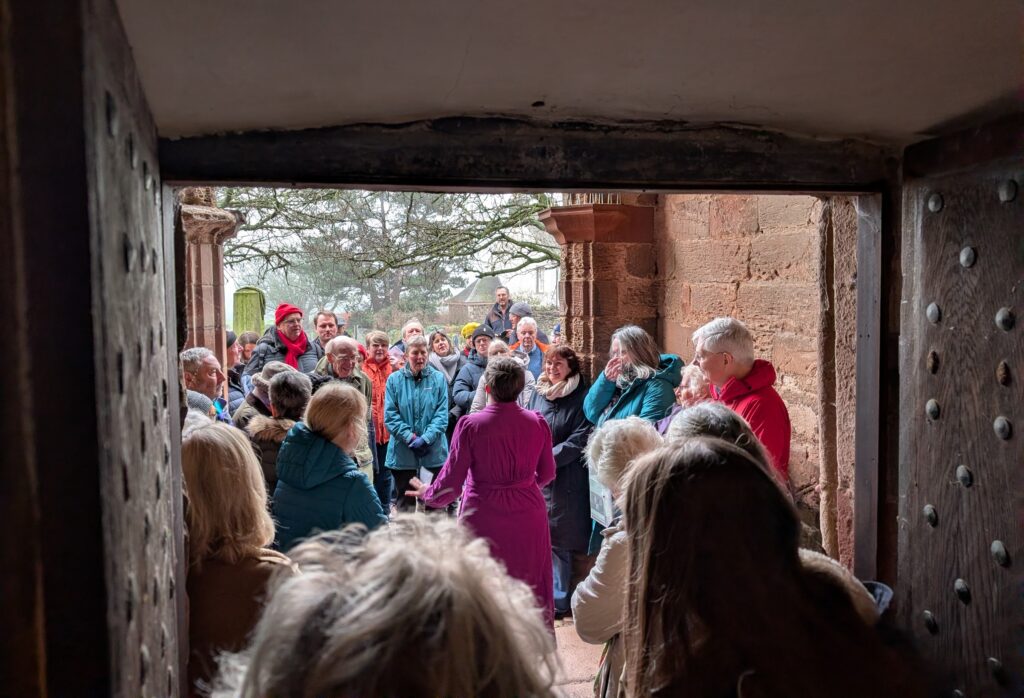
This collaborative approach continues beyond our own events – this Saturday (28th of March) we’ll be at Crail Kirk for their open day, where Dr Lizzie Swarbrick will be leading a talk and tour as part of the programme.
As the project continues, this collaborative approach will remain at the forefront. Through the Heritage Action Group and the development of the database, as well as our work with communities. Our aim is to reflect the many ways that people value and understand church heritage.
If you are working in this area, holding data and researching church heritage, or interested in being part of these discussions, we would love to hear from you – email us at churches@socantscot.org
If you’d like to receive quarterly updates via email, as well as other project news, sign up to our newsletter!
Leave a Reply